

We care about your privacy. We attempt to limit our use of cookies to those that help improve our site. By continuing to use this site, you agree to the use of cookies. To learn more about cookies see our Privacy Policy.
3.2.18 / Global
Lacoste Swaps Out its Iconic Crocodile to Support the Environment
Giving endangered animals the logo treatment

Here at A Hotel Life we’ve always cared deeply about the environment. Though fashion isn’t always the way to express that, we’re keen on highlighting products that encourage messages of sustainability and environmental consciousness. That’s why the new Save Our Species collection of Lacoste polos is so appealing to us. The brand has offered several collaborations in the last few years, altering its logo with designs by famous names like M/M Paris and Peter Saville, but this time they have done away with the iconic crocodile altogether.
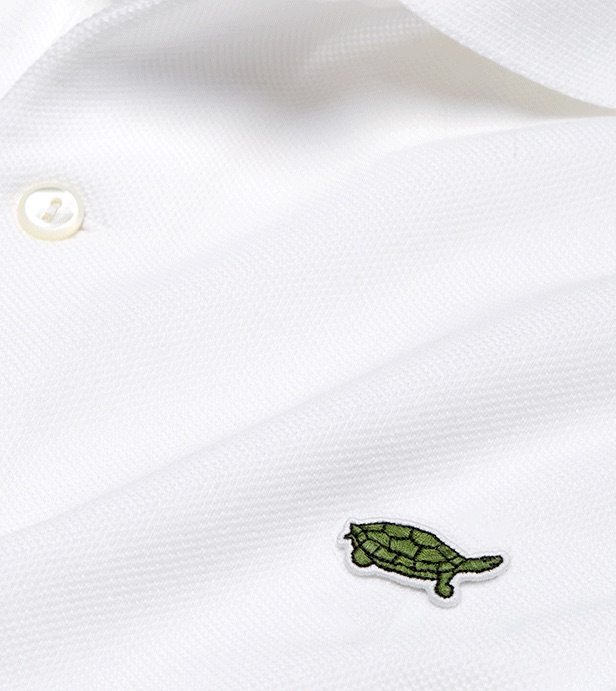
Made in support of the International Union for Conservation of Nature’s Save Our Species initiative, 10 white polos replace the crocodile with 10 different threatened species such as the Sumatran tiger, which faces poaching and deforestation, and the Vaquita porpoise, which only has a known population of 30. Launching now, during Paris Fashion Week may not take the attention away from the big fashion houses, but it does add something important and tangible to the fashion dialogue. Plus, come summer a Lacoste polo is never a bad look. You might as well sport one with a Javan Rhino instead and get a few double takes, all the while supporting the conservation of these incredible animals.
Learn more about the Save Our Species collection HERE
Share this Story
More Culture
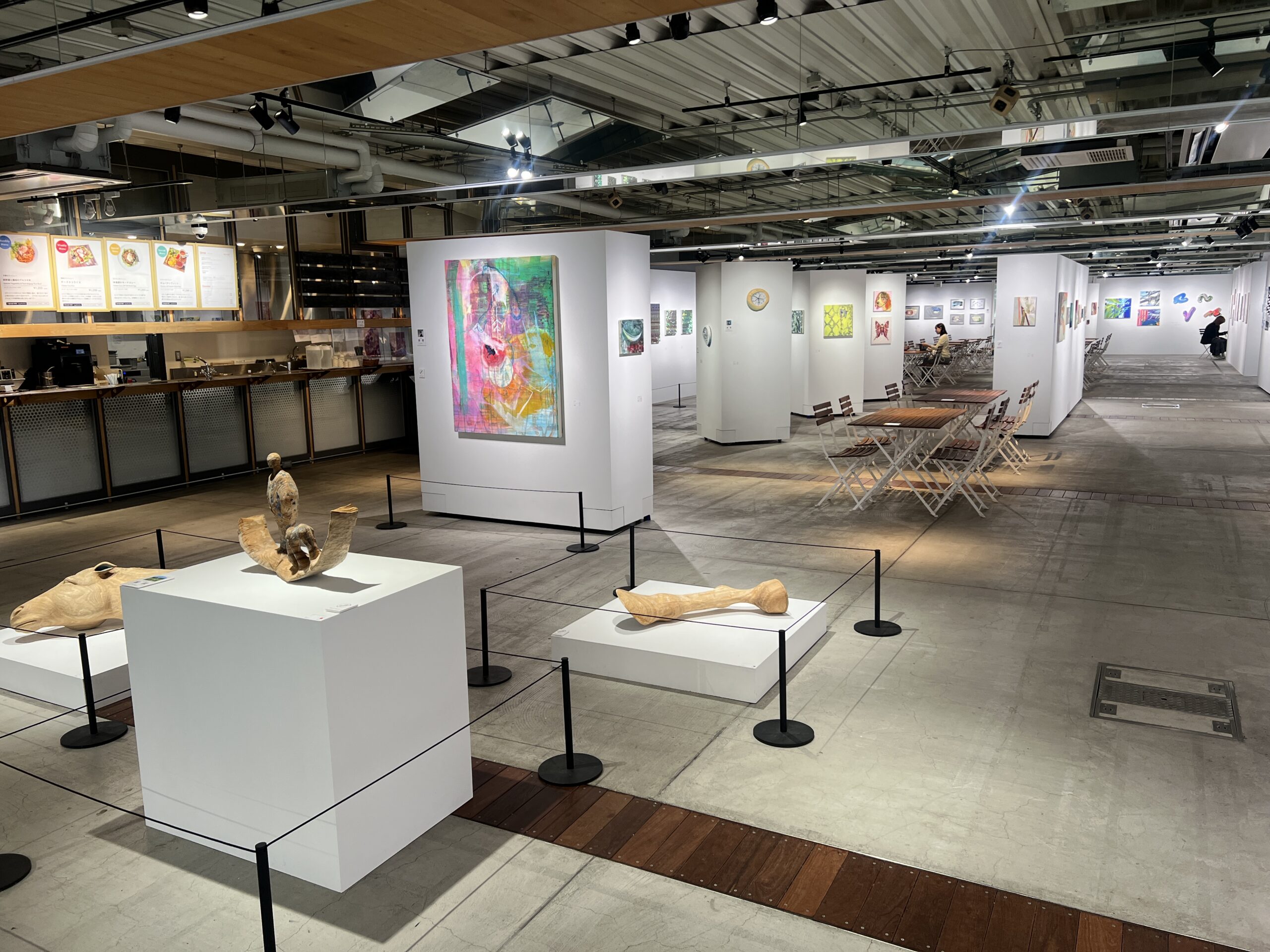
An Art Lover’s Guide to Tennozu, Tokyo
How to explore Tokyo’s waterfront art district, plus TENNOZ ART WEEK 2026
tell me more ›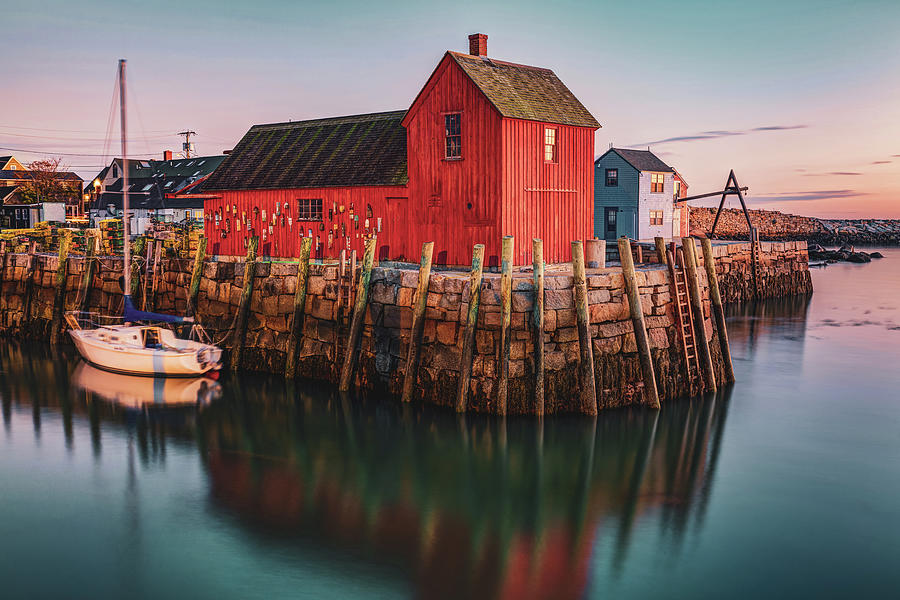
Where the Artists Go: Under the Radar Spots in Six Storied Creative Colonies
Our favorite stays in bohemian enclaves from coast to coast
tell me more ›
A Designer’s Guide to the St. Ouen Flea Market
A Designer’s Guide to the St. Ouen Flea Market in Paris
tell me more ›