

We care about your privacy. We attempt to limit our use of cookies to those that help improve our site. By continuing to use this site, you agree to the use of cookies. To learn more about cookies see our Privacy Policy.
HOTEL OPENING
Hotel Sevilla: Grupo Habita Unveils Their Newest Gem
Their sixteenth hotel is at the heart of Mérida’s cultural pulse
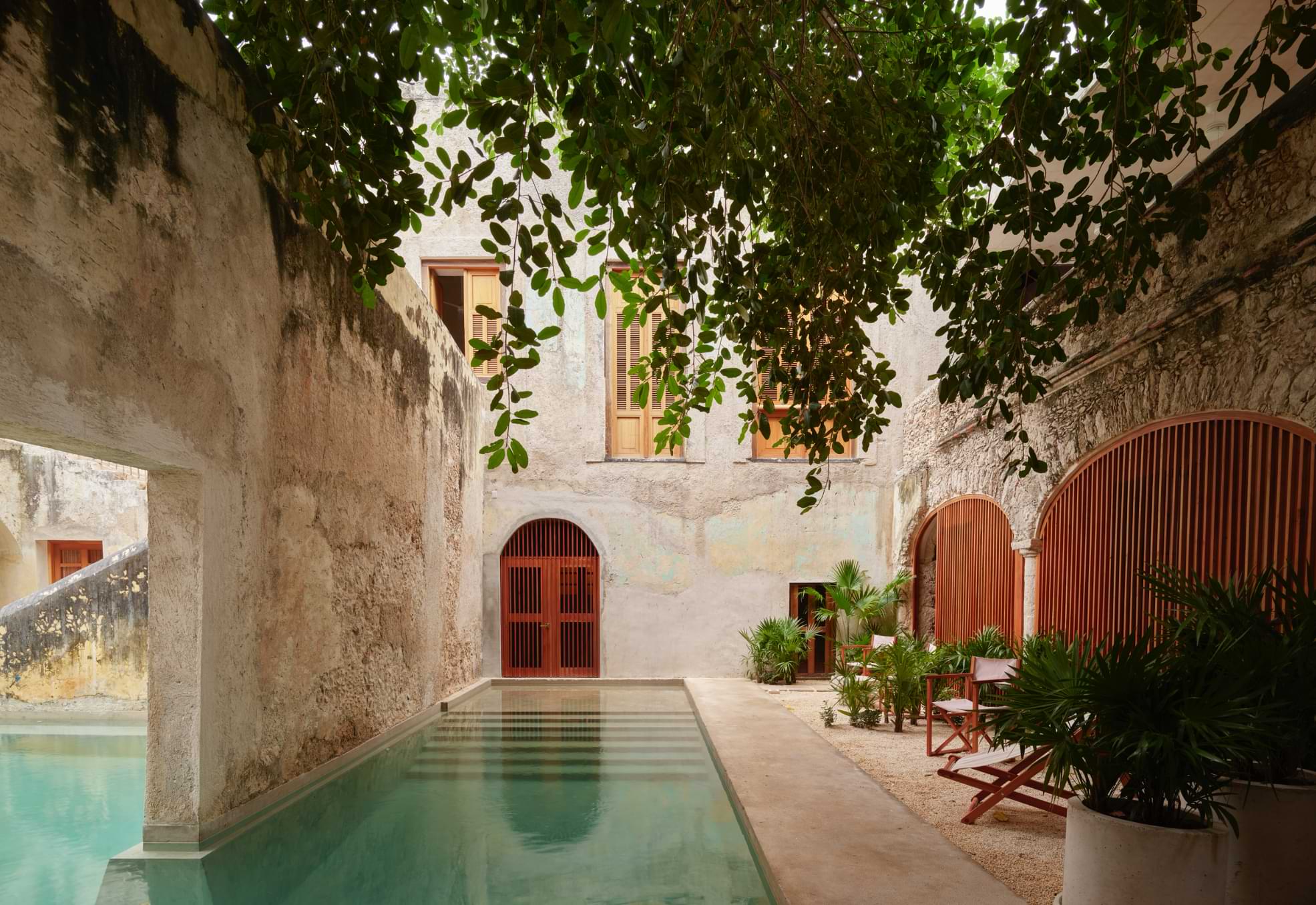
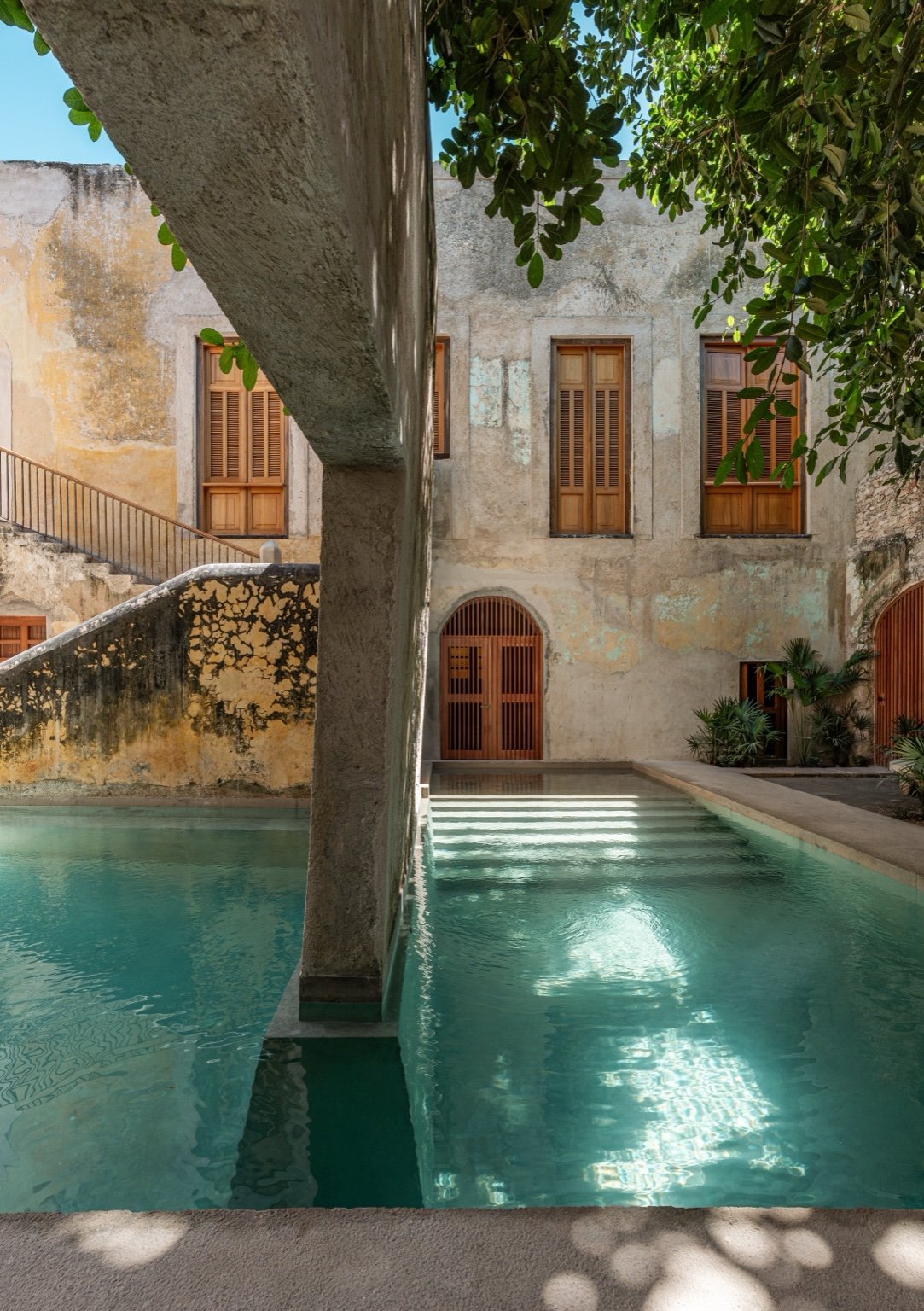
Sevilla is a hotel that whispers, a place made for slow mornings, open windows, and the particular kind of silence only a historic building can hold. Photo by Fernando Marroquin.
By Tansy Kaschak on 12.09.25
For 25 years, Grupo Habita has been shaping Mexican (but not only) creative hospitality, often adding a substantial layer to the way we experience their destinations. From the shores of Oaxaca to New York’s Chelsea, they’ve turned hotels into cultural barometers and carefully architected creative salons. Their projects have always been here to immerse us, recalibrate our senses, and leave us with a slightly altered idea of what hospitality can be.
So when the group arrived in Mérida, in Mexico’s Yucatán, and laid eyes on a crumbling 16th-century hacienda steps from Plaza Grande, they envisioned a whole narrative potential. They saw a building waiting to be re-read, reactivated, and reintroduced to a contemporary audience not only through the restoration of aesthetics alone, but of spirit. And this is how, seven years ago, the dream of Hotel Sevilla was born.
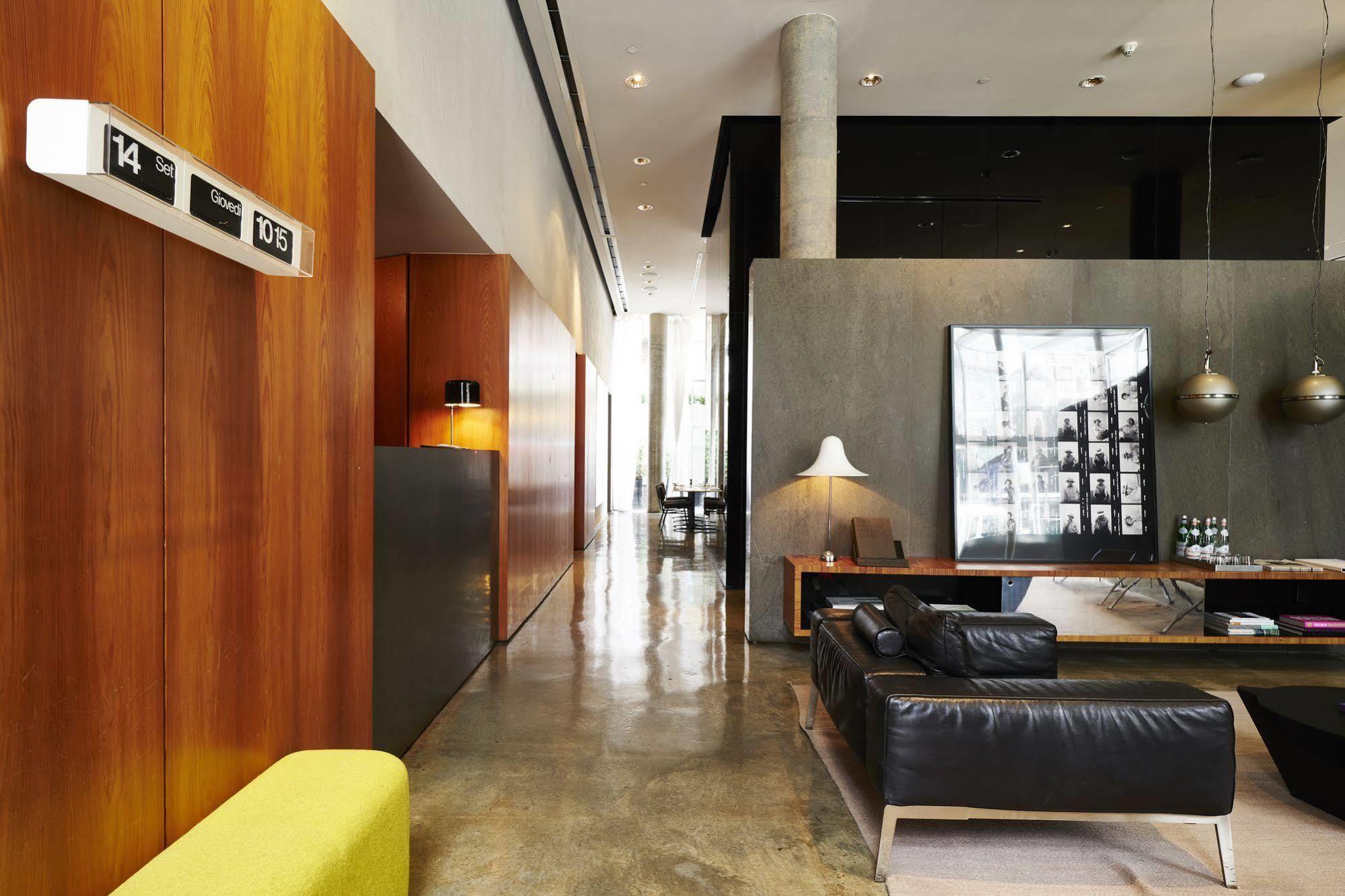
The lobby of Hotel Americano in Chelsea, New York. Opened between 2011 and 2020, the hotel was an instant hit and became the place to be in a city always thirsty for creative hospitality.
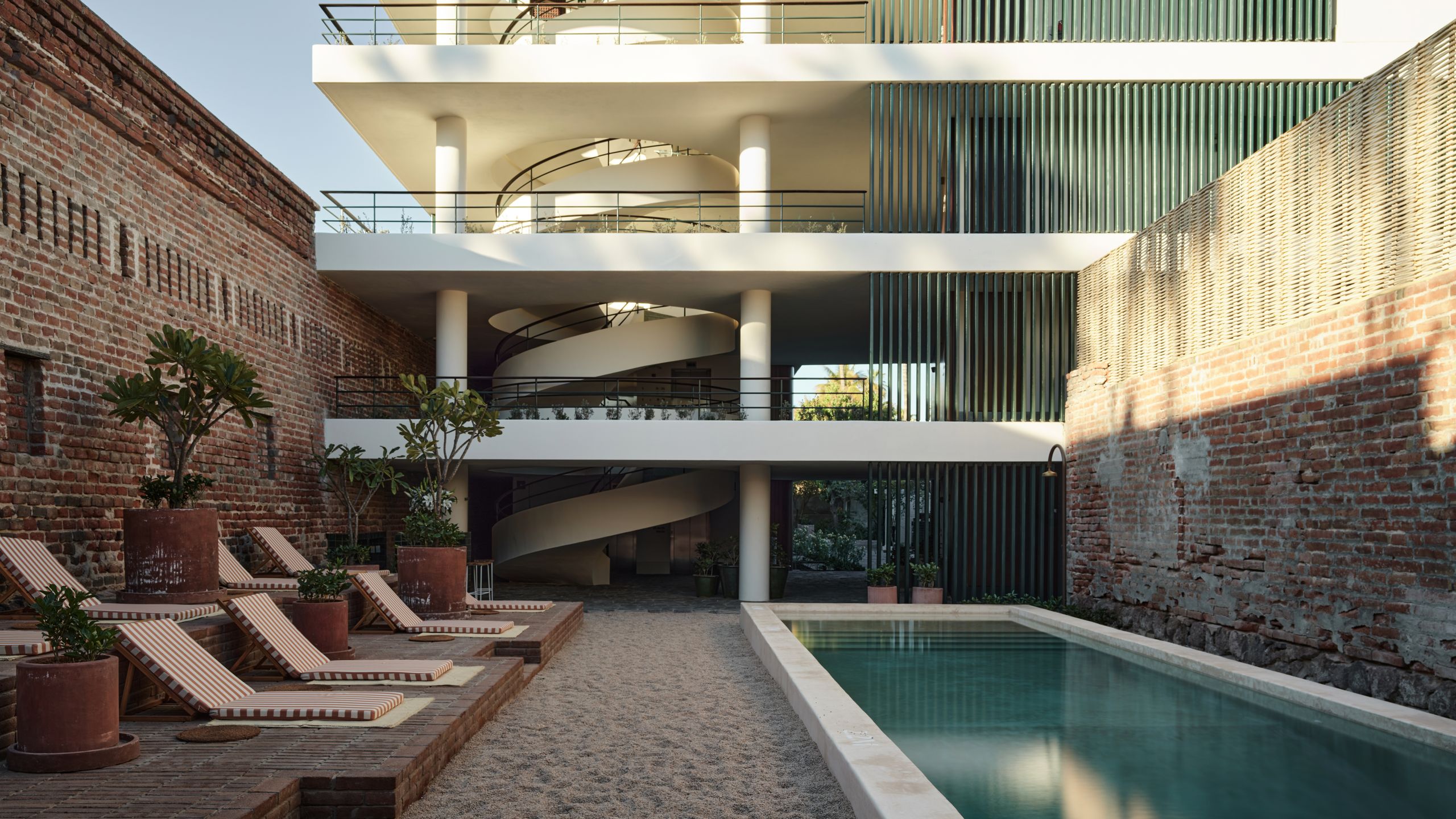
Baja Club is a stunning combination an architectural references; a hotel in a league of its own in La Paz, Baja California Sur. Photo by Fernando Marroquin.
A Dialogue in Time
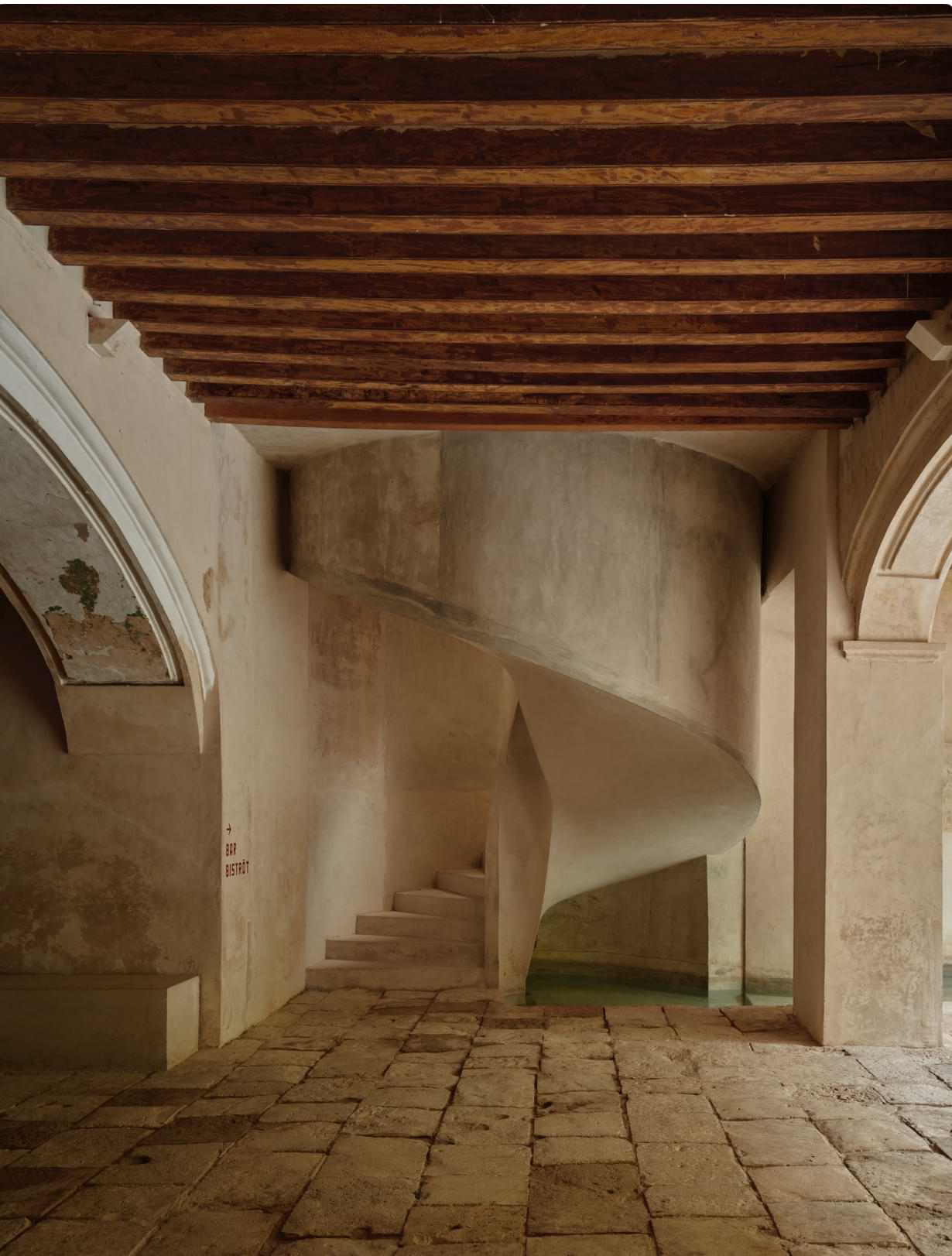
Built in the 16th-century as a private residence before later being transformed into a hotel, the corner plot hacienda is a landmark monument close to the Mérida’s historic center’s main square. The building’s colonial façade stayed almost exactly as it was — a quiet bow to continuity — while the interior tells a story of careful excavation. Stone floors resurfaced, tropical wood ceilings uncovered, patinaed walls left with their history intact. It’s an architectural archaeology, executed with tenderness.
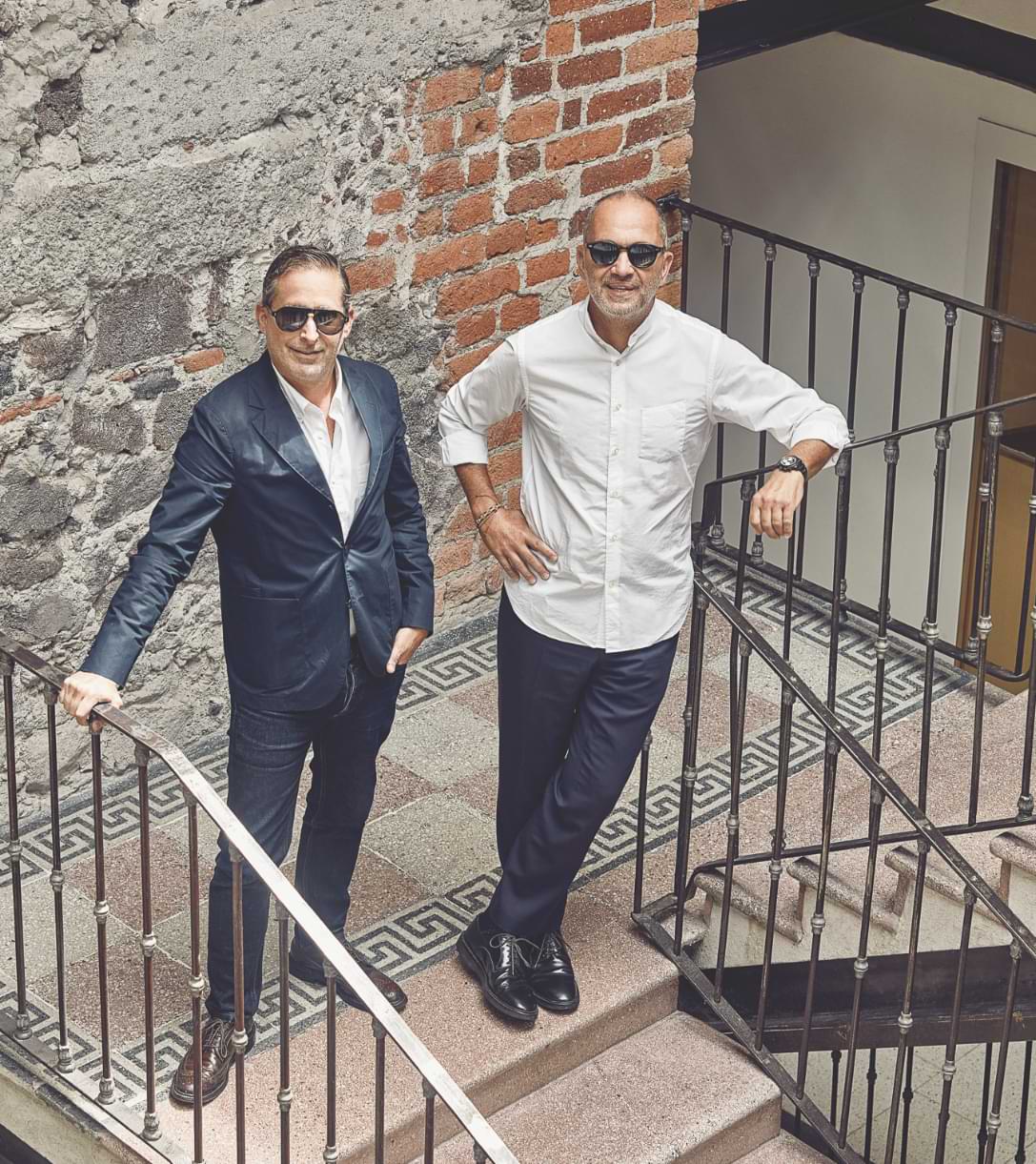
Into this context, under the guidance of Moisés Micha and Carlos Cotourier, Grupo Habita’s founders and creative masterminds, architects Zeller & Moye (based between Berlin and Mexico City) and Salomón Sacal inscribed a new language: sweeping concrete forms, a sculptural spiral staircase, and a pool carved with the precision of a line drawing. Rather than blending eras, Sevilla pits them against each other just enough for sparks to fly. The result is not nostalgia, nor futurism, but a kind of temporal duet.
Quiet Luxury, Yucatán Style
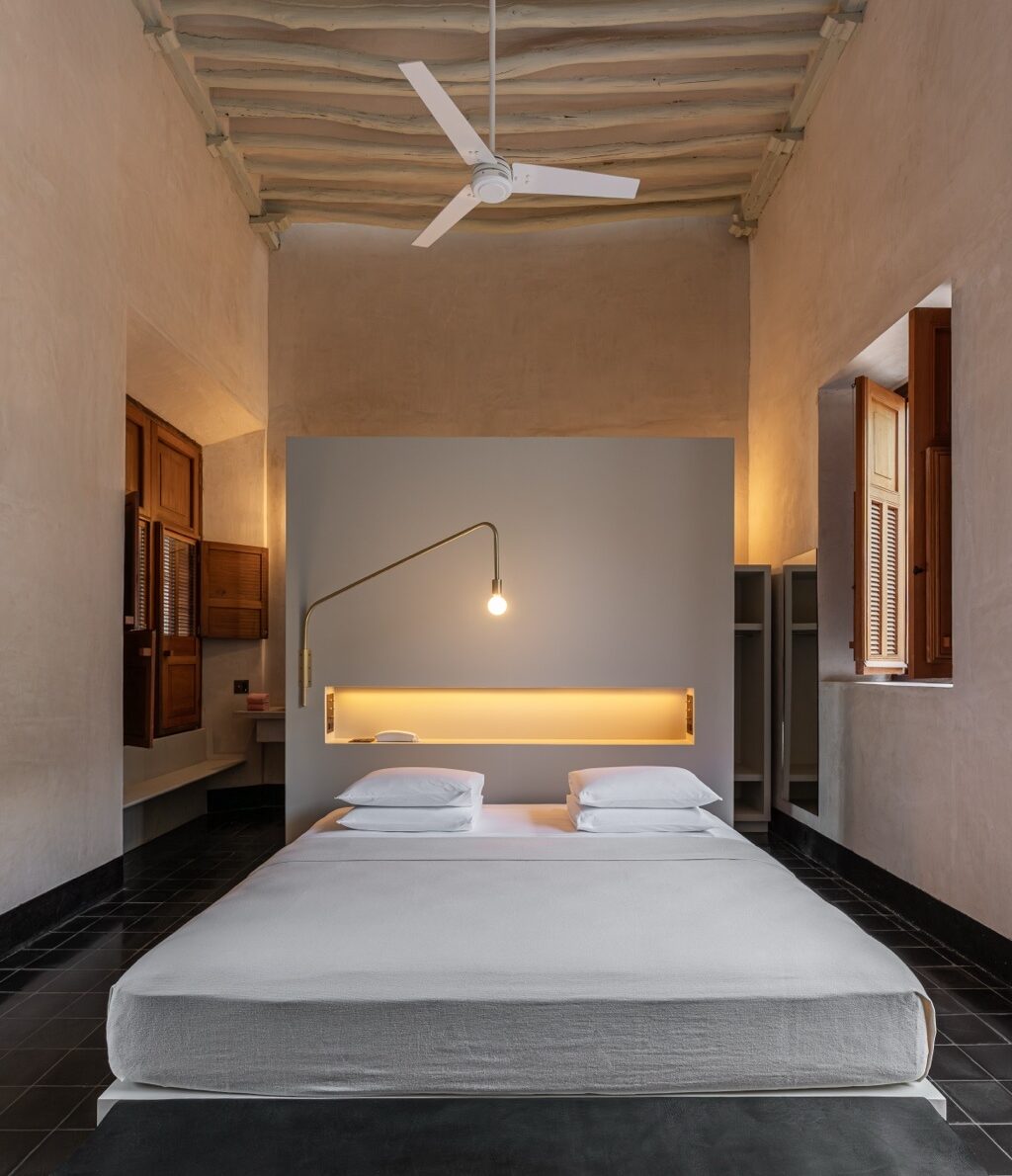
The 21 rooms feel like minimalist contemplative chambers, but softened by craft. Black ceramic floors reference local homes; henequen textiles nod to the region’s ancestral production; modernist silhouettes sit alongside shutters that have seen centuries.
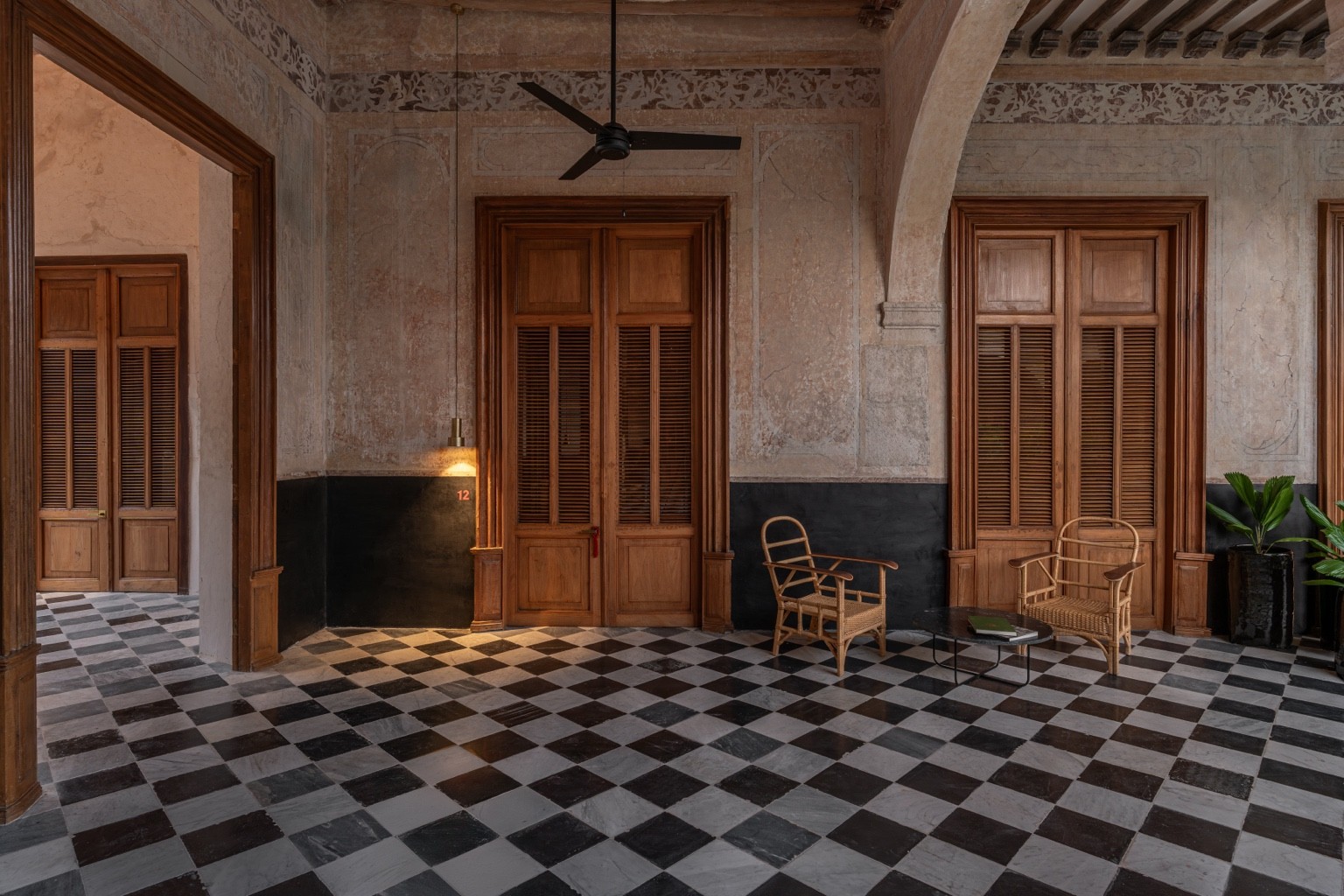
Sevilla is not simply another hotel in Mérida — it’s a new reference point in the city’s evolving identity. A gesture that says: heritage has a future, and we’re willing to build it.
Even the tech bends toward culture: each room’s screen loops a curated guide to Mérida’s museums, galleries, and independent spaces, effectively turning the hotel into a portal to the city’s creative fabric. A QR code reveals the house playlist, because Grupo Habita has always understood that sound is part of spatial experience.
F&B and Wellness as Intimacy and Ritual
In the courtyard, four almond trees stand like natural guardians over the cantina, where sunlight, shade, and conversation trade places throughout the day. Upstairs, the 24-seat bistrót, led by Chef Marion Chateau, cooks in a rhythm that mirrors the city’s markets. Her French-Mexican menu is improvisational in the best way: grounded in produce, shaped by intuition, and designed for intimacy.
At the bar, the cocktails lean into mezcal and tequila, but always with Habita’s intentional trademark restraint.
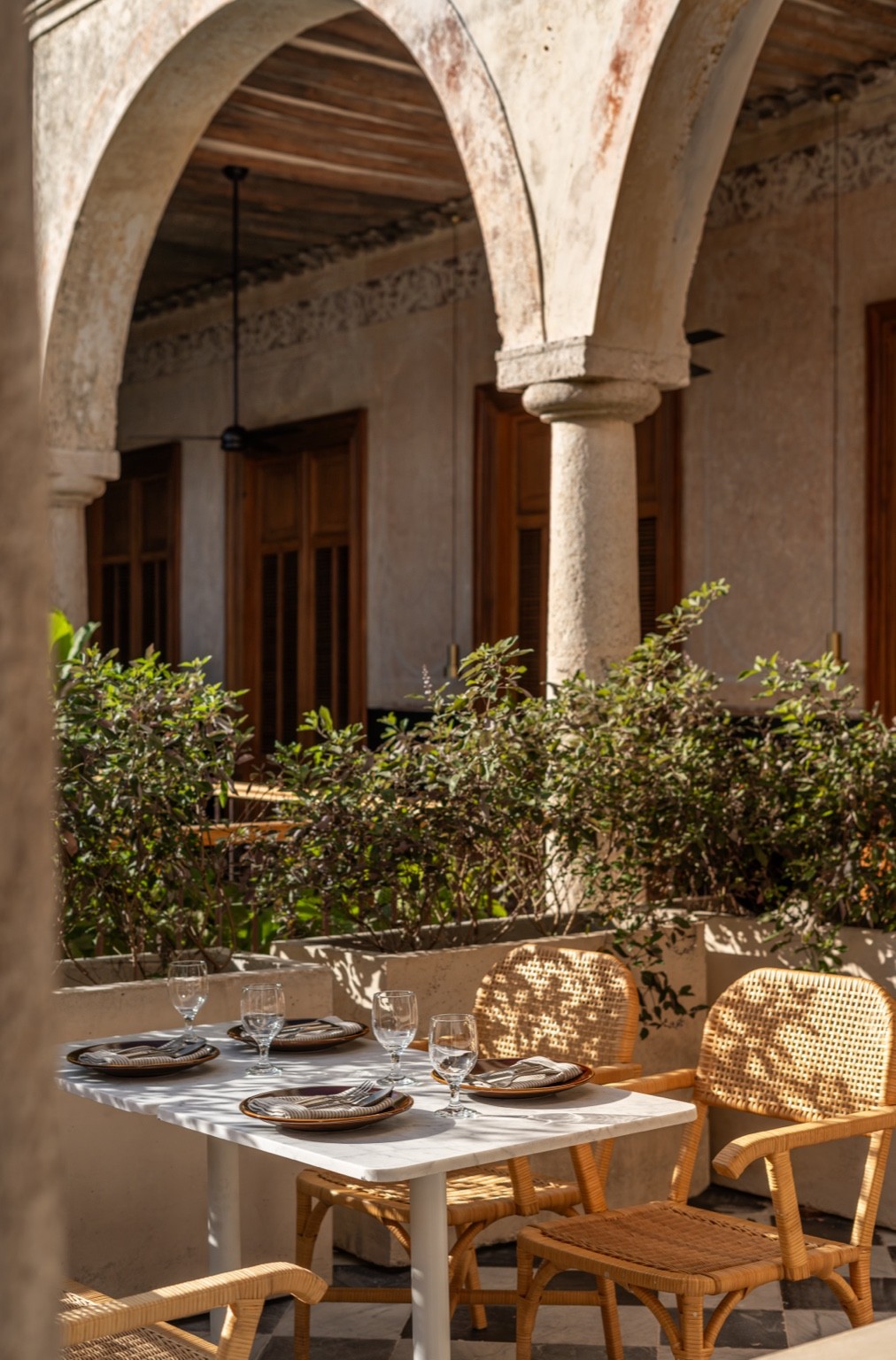
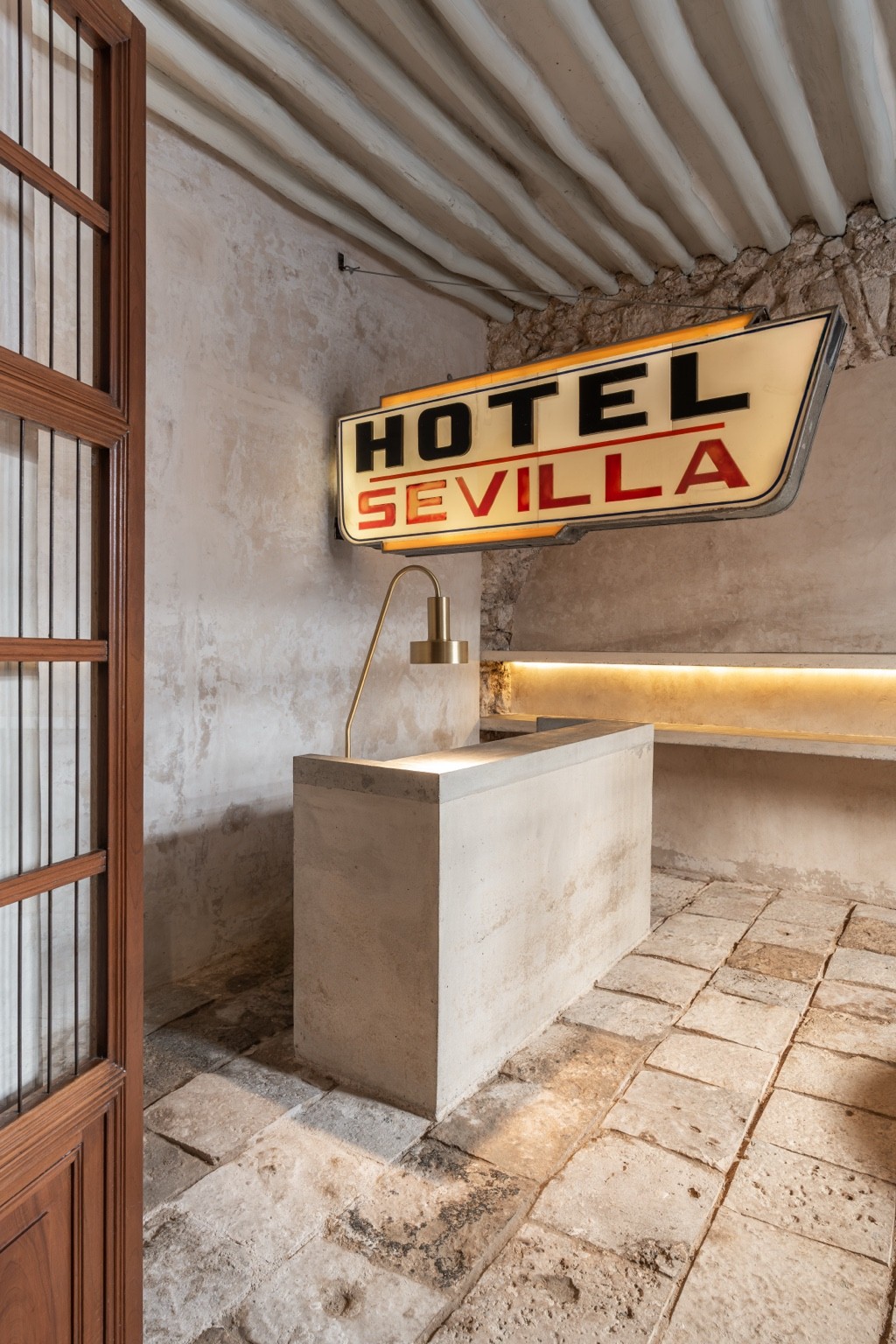
Out back, where horses once slept, now sits a small but soul-forward spa. The Tuj (Mayan sauna) and cold plunge form the core of the experience, offered in private or community sessions. Guests can deepen the ritual with a DIY kit — sea salt scrub, local mud, herbal infusion — a reminder that wellness in Yucatán has always been rooted in earth, water, and heat.
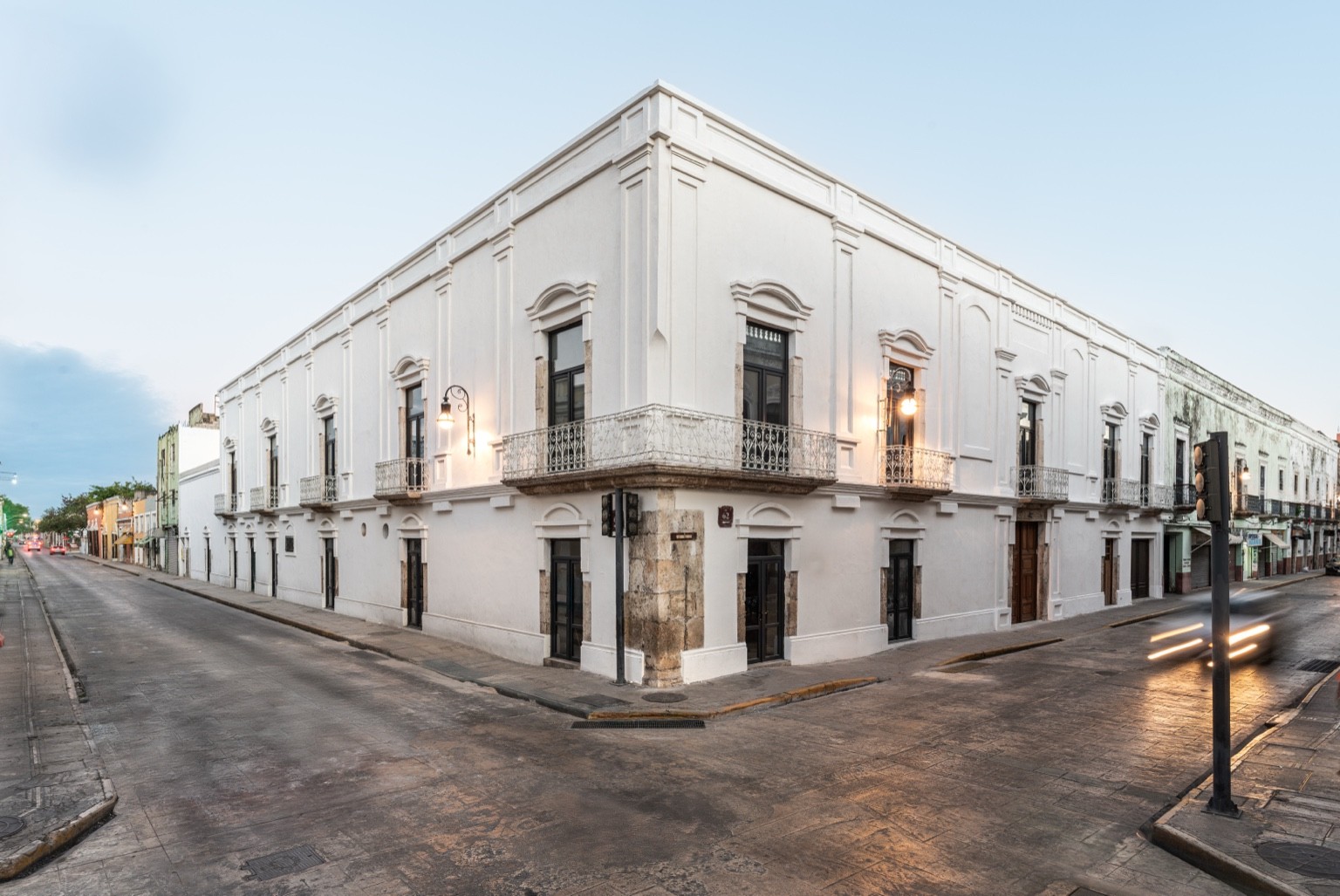
The 16th-century corner building is a Mérida landmark, a secluded oasis steps from the busy historic center.
One block from Plaza Grande and yet somehow a world away, Hotel Sevilla is where past and present meet at eye level. A place where textures tell stories, where architecture is emotion, and where the rhythm of Mérida is experienced as a lived moment.
Once again, with the opening of a new hotel — they now count 15 hotels in Mexico and one in Chicago, USA — Grupo Habita has shifted a city’s cultural conversation while they continue to do something that is akin to a miracle in hospitality: expand without losing their essence. And their elegant, understated and genuine way of doing it all is something the whole industry can take note of.
Have you signed up for our monthly newsletter yet? Never spammy, always bringing you the best and coolest hotels in the world and global lifestyle culture, all through the eyes of industry insiders and local tastemakers. Sign up here!
Share this Story
More Culture & Celebration
Where the Artists Go: Under the Radar Spots in Six Storied Creative Colonies
Our favorite stays in bohemian enclaves from coast to coast
tell me more ›
A Designer’s Guide to the St. Ouen Flea Market
A Designer’s Guide to the St. Ouen Flea Market in Paris
tell me more ›
The Haas Brothers’ Wild, Wonderful, Weird World
Dual shows this summer bring the fantastical to New York
tell me more ›