

We care about your privacy. We attempt to limit our use of cookies to those that help improve our site. By continuing to use this site, you agree to the use of cookies. To learn more about cookies see our Privacy Policy.
DESTINATION GUIDE
Is Japan the Most Underpriced Destination of 2026?
The deep richness of experience and uncommon quality of Japan are a rare equation of care, consistency and cultural depth that redefines value in travel.
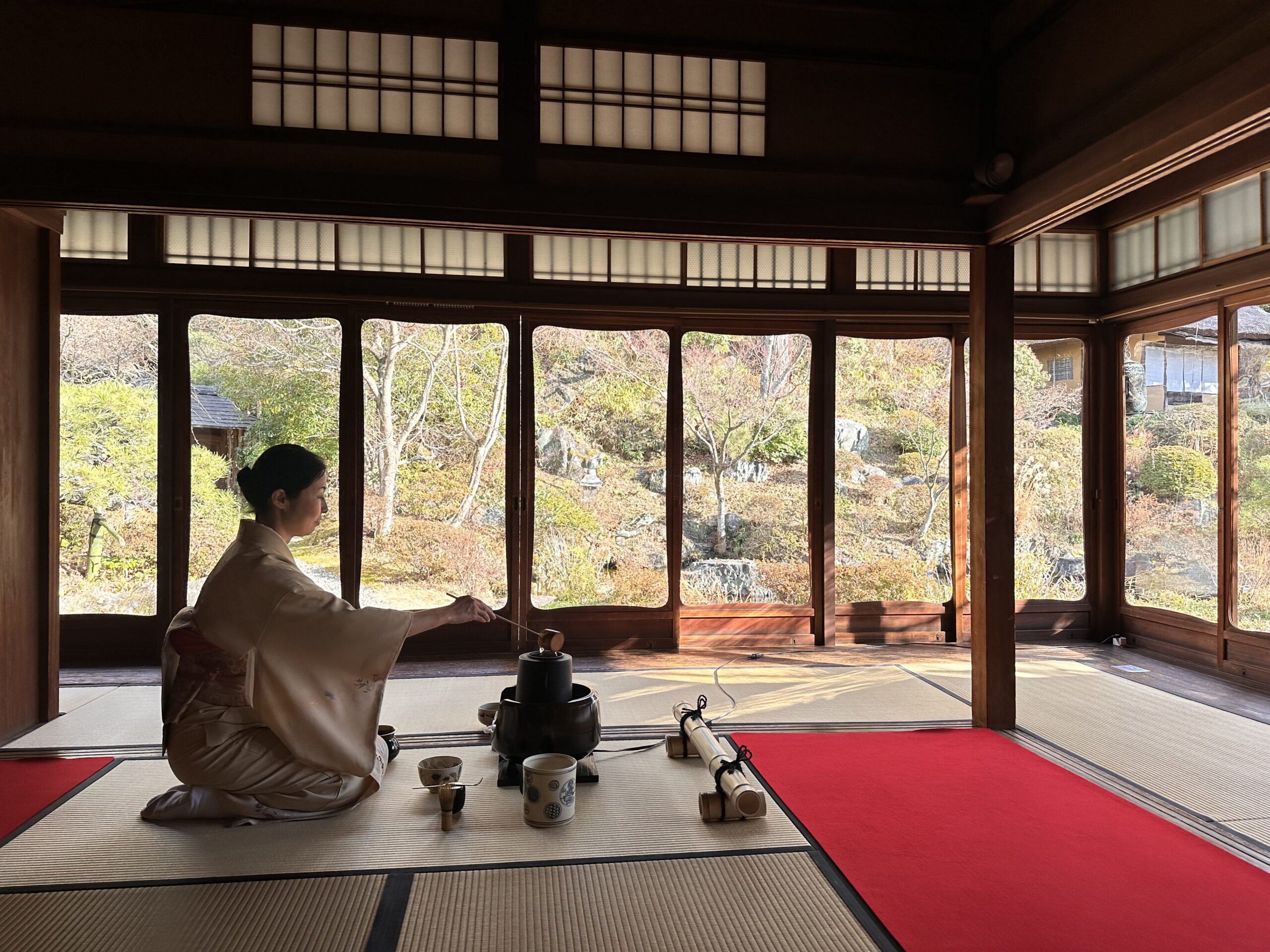
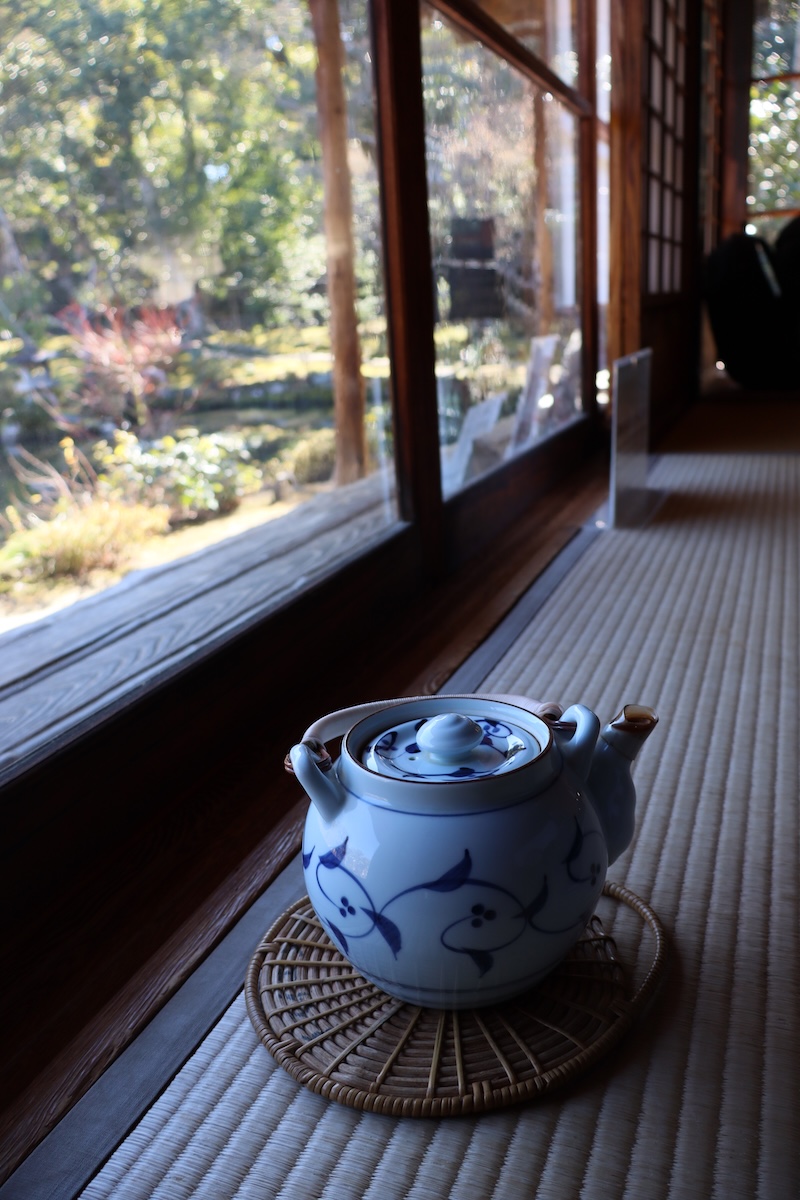
A traditional tea service in Kyoto, Japan
By Sarah Casewit on 04.08.26
Japan is expensive. Or at least that’s what we’ve all been told.
After spending almost a month moving throughout the country (it was meant to be two weeks — I stayed four), I came home with a completely different conclusion: Japan may be the most underpriced destination of 2026.
Like most of my journeys, it was a complex, jam-packed itinerary. I started in Tokyo, and went on to Kanazawa, Shirakawa, Kyoto, Osaka, and circled back up to Hakuba, Narai-juku and Matsumoto. While traveling from hubs like Osaka to remote towns in Nagano, I discovered an affordability alongside an uncommon richness of experience that feels almost disproportionate.
I’ve seen many destinations that belong to the “once in a lifetime” category, from the Arctic Circle, to Rwanda’s gorilla forest and the Galapagos Islands. Places that require a serious financial commitment and generally deliver something memorable in return.
In Japan, I arrived mentally prepared for a smacking bill at every turn, and instead, found some of the lowest prices for the highest quality of, well, everything.
Hospitality in Japan is unforced, and not transactional
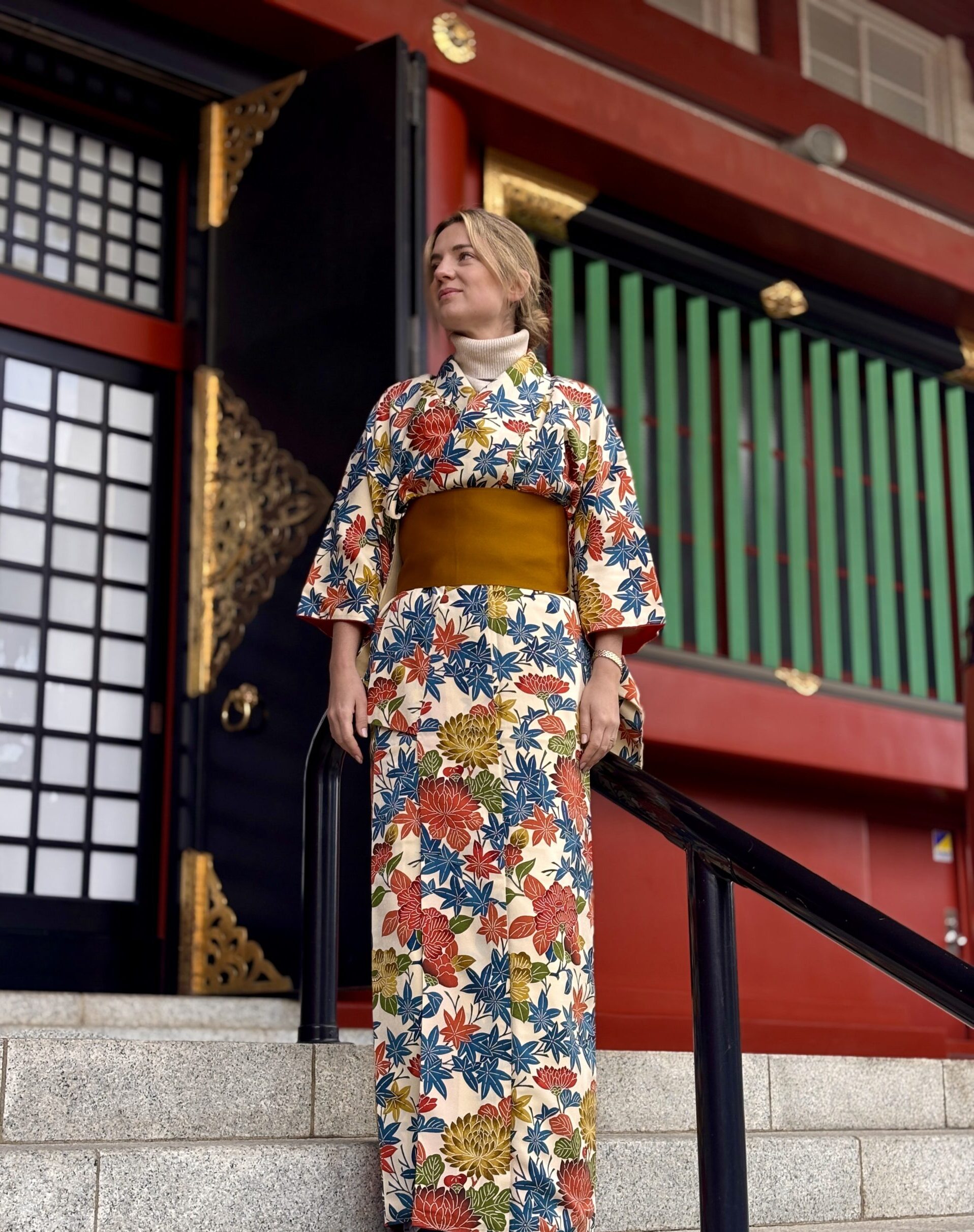
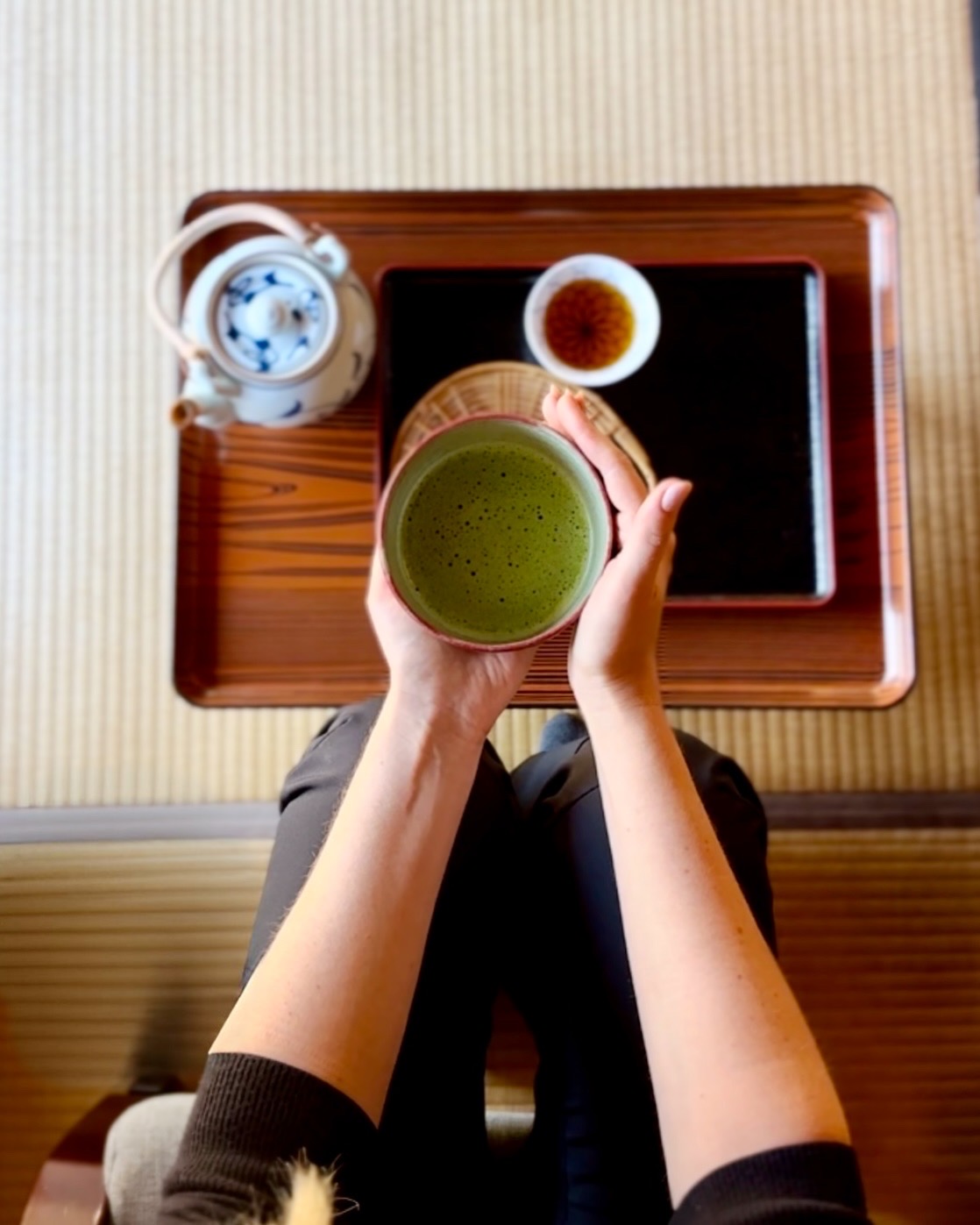
Excellence, No Matter the Budget
Japan is not a destination that tries to loudly impress. It does not rely on spectacle or excess. It is simply devout to excellence, no matter how much or how little you intend to spend.
In many places, value has to be negotiated. Comfort depends on your budget. Quality depends on where you stay and how much you spend. It’s different in Japan.
Whether you’re dining at Osaka’s three Michelin-starred Kashiwaya Osaka Senriyama or my favorite takoyaki stall in Omeda Station, you can be sure your meal is handcrafted to perfection.
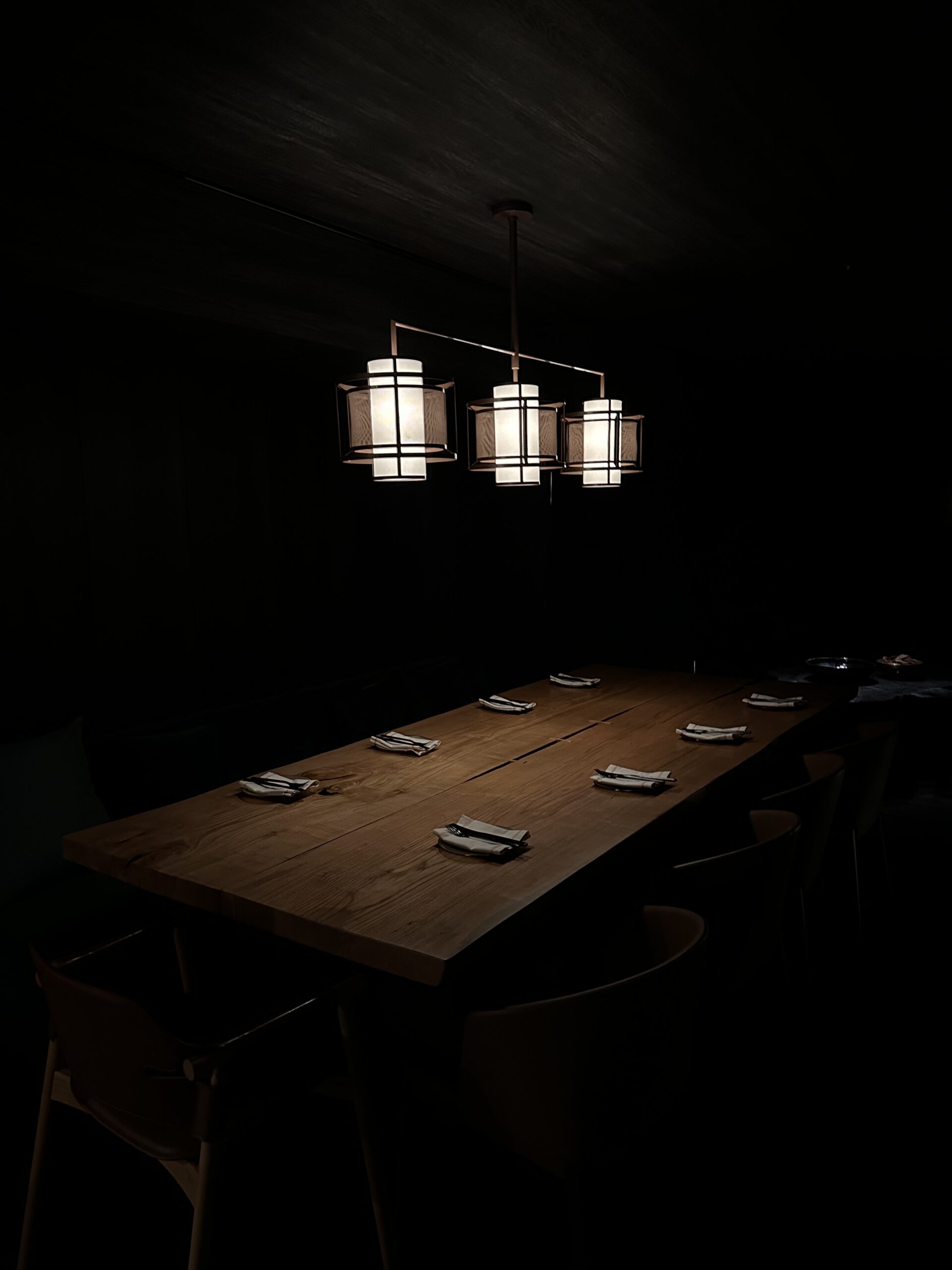
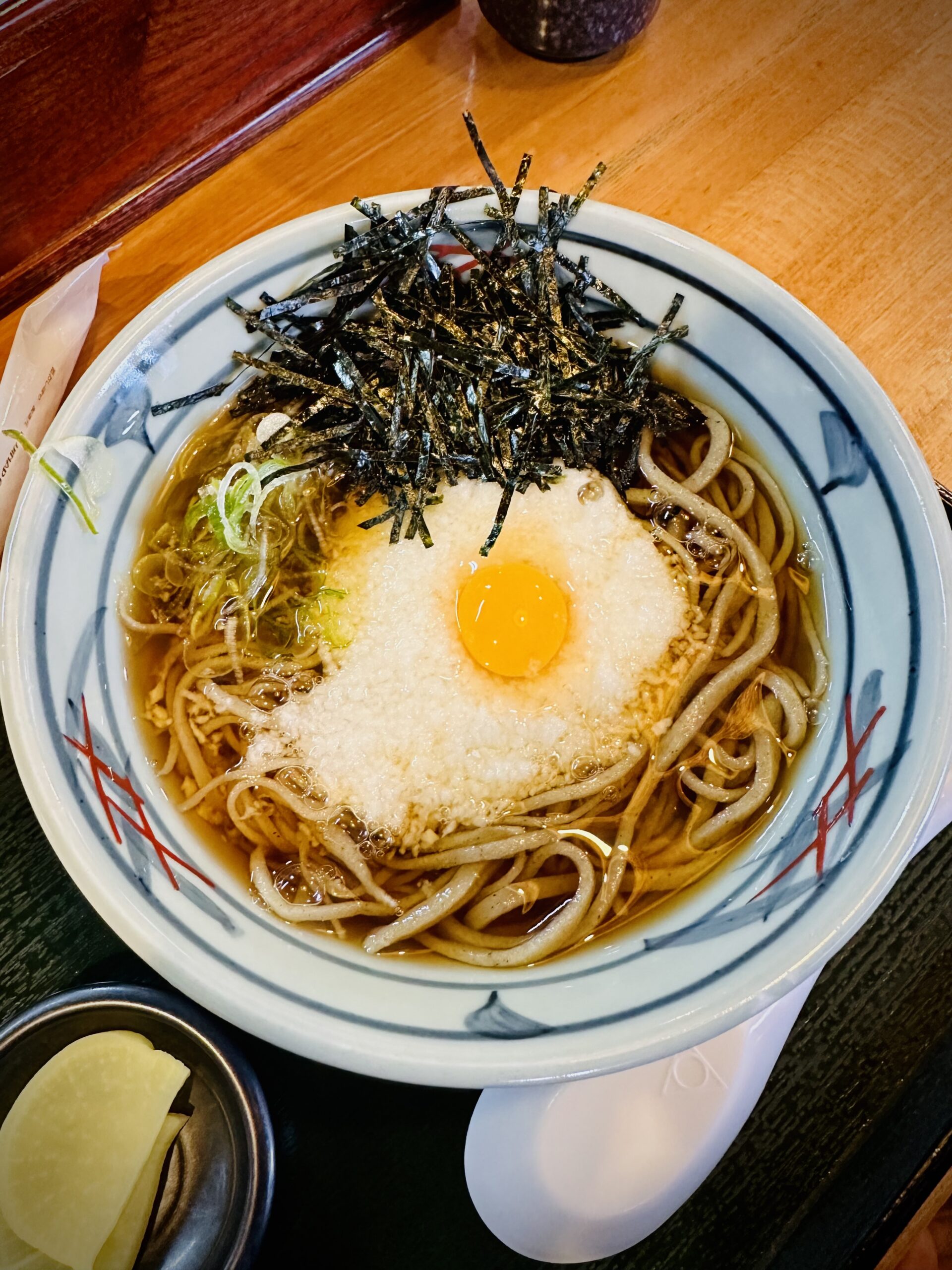
In Matsumoto, a quick stop at the train station ended up being a world-class dining experience of handmade soba noodles. I quickly had to learn how to slurp loudly to show my appreciation to the chef. It cost me $4 and I still think about that bowl.
Dignity is standard in Japan. It comes with the land and people. I remember walking into a small wooden eatery in snowy Shirakawa. I stepped through the hand-painted noren curtain and the owner bowed with a warm smile.
Pointing at a seat, he served me the best ramen of my life with a deep-fried slab of tofu. I enjoyed this tray with views onto a well-curated Japanese garden. Not only did I taste the richness of the ingredients, but the dignity and honor that went into their making. I was shocked that it was under $7. When a destination consistently offers peace, nourishment, precision and respect, it begins to feel profoundly underpriced.
Japan's quirks and rituals belong to the DNA of the culture.
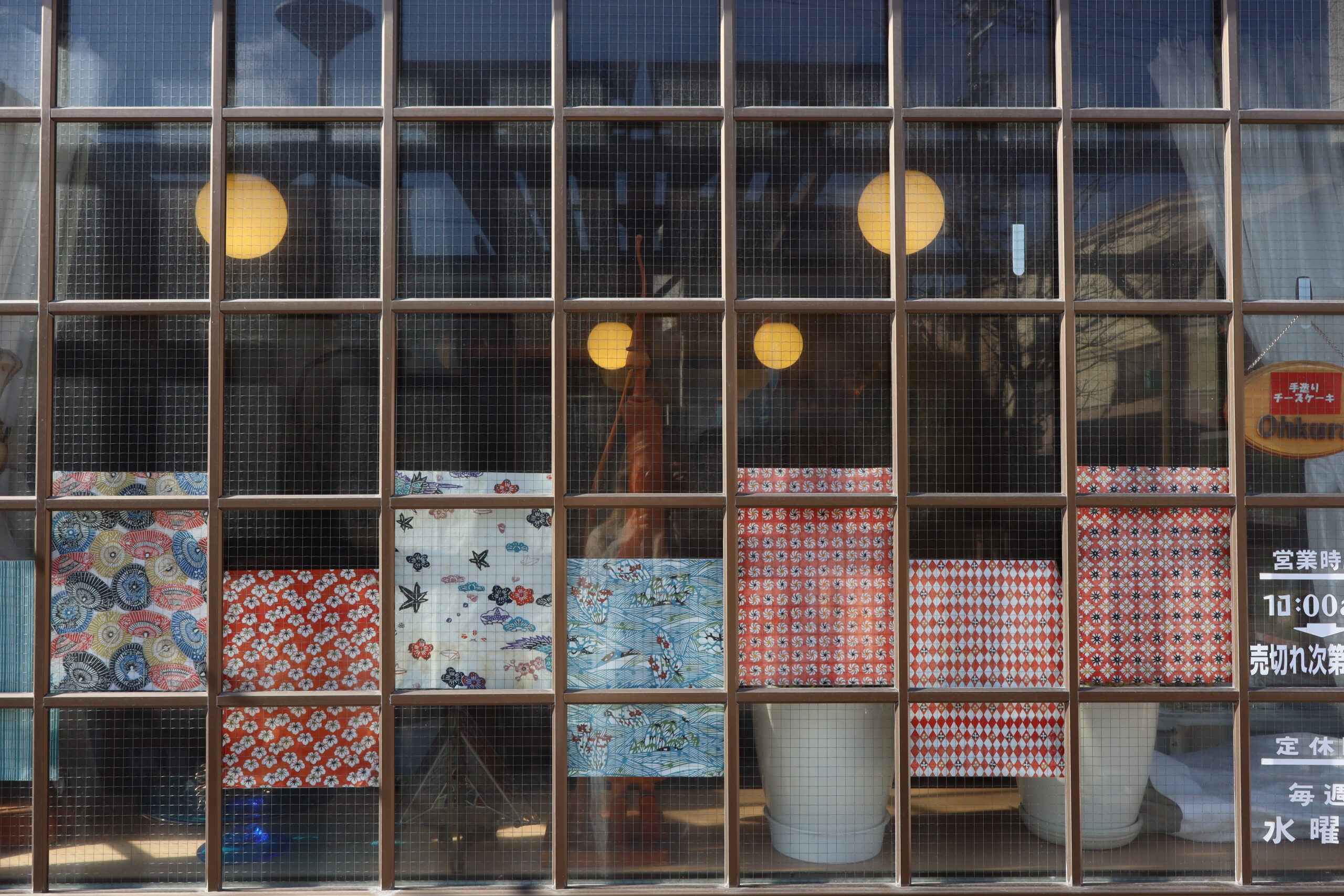
Visible and invisible luxury merge in Matsumoto
Hospitality Without Spectacle
Hospitality in Japan is unforced, and not transactional. If it was a spectrum, it would be the opposite end of Vegas.
You can be checking-in to the Ritz-Carlton Osaka or hopping onto a bus in Kanazawa, both experiences will offer the same quality of hospitality.
There’s no expectation, no tipping culture, no sense that service is something to be staged for the guest. What you encounter instead is care, precision and a genuine sense of responsibility.
It feels less like a transaction and more like a shared cultural value. That alone makes Japan feel radically underpriced.
I will never forget my last moment in Japan, sitting at my gate in Haneda Airport, and the crew of our plane arrived. Before boarding the plane, they turned around and bowed to us. A simple yet memorable show of respect and hospitality.
The Math Doesn’t Add Up
In Kanazawa, I paid $80 per night for a King Deluxe Room in a luxury boutique hotel with its own 100% pure onsen bathhouse.
The room included every toiletry imaginable, organic bamboo cotton pajamas, access to the onsen and complimentary beverages I couldn’t name but chugged with relish.
A similar room in the Catskills would easily cost $230 a night, without those amenities.
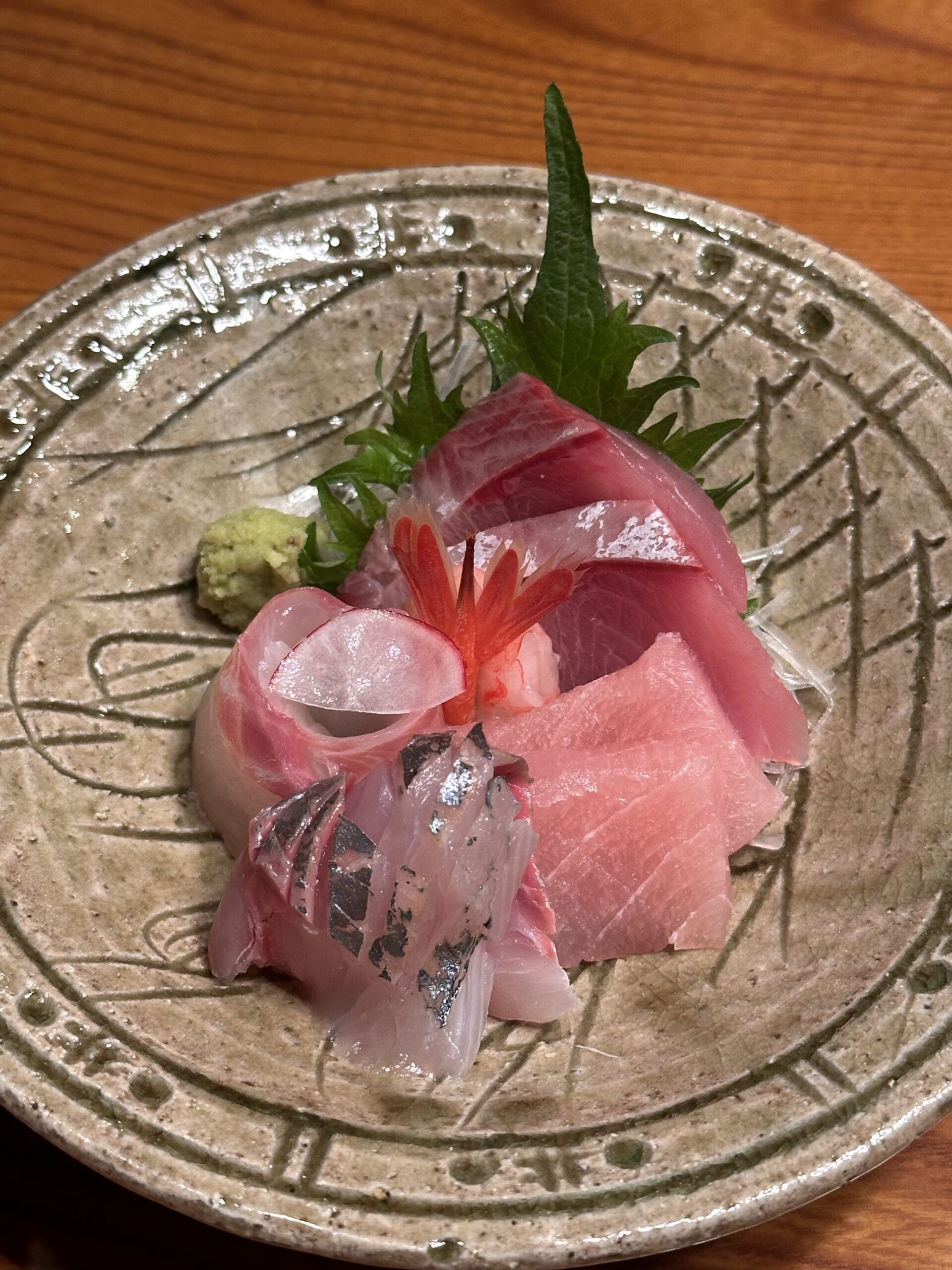
The same absurd equation appears in food. A gourmet burger at Red Hook Tavern in New York City costs around $35 before drinks or tip. Aomori salmon sushi at Kourin Sushi, my favorite restaurant in Kanazawa, was $22, including exceptional green tea, freshly sliced ginger, a sweet treat and a string of table amenities.
Not only are you paying less, you’re also receiving a level of hospitality and consistency that feels almost impossible to replicate elsewhere.
A similar room in the Catskills would easily cost $230 a night, without those amenities.
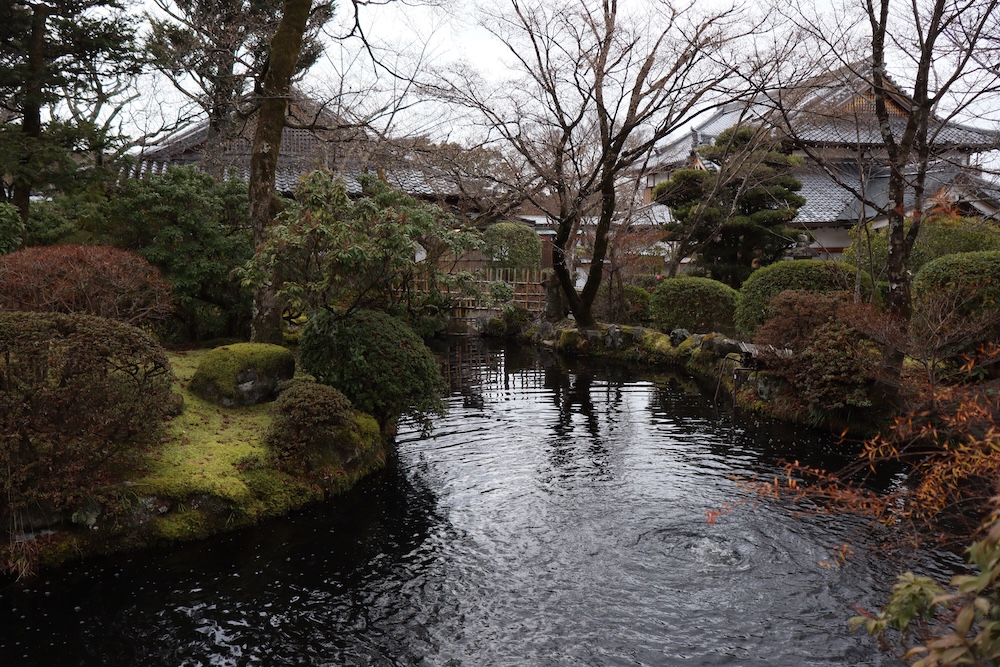
A perfect flash of Kyoto's iconic charm
The Invisible Luxury
Japan’s real value isn’t just in the savings. Its quirks and rituals belong to the DNA of the culture. They are shaped over generations and practiced daily regardless of who is watching.
The train from Osaka to Kyoto is short, simple, clean, quiet and on time, every time. You start to get accustomed to this quality of service very quickly – until you pause and reflect on how calm you’ve been for days while navigating a rather complex train system in a foreign country.
You could be in the middle of Shinjuku, trying to find your way out of the station, and somehow the chaos that comes with capital cities is not felt. You’re undisturbed.
Cleanliness is not a selling point. It’s the baseline wherever you sleep or eat. I’ll never forget the staff at the local train station in Nagano. They were vacuuming the tiny corners of the platform with a handheld vacuum and wiping down the columns.
Smell is also a luxury you didn’t even think about. Kanazawa’s Omisho market is famous for its fish yet it doesn’t smell of fish nor cleaning products. It’s comfortably neutral and once you notice this you can never forget it.
Silence is also respected in public spaces. On trains, in stations, even in crowded streets. There is a shared understanding of space that allows your nervous system to slow down without effort, even in the chaos of Kyoto and Nara.
These are the kinds of luxuries that don’t appear on a hotel bill or in a website’s USP page. They’re so embedded in daily life that they register less as amenities and more as a way of moving through the world, exactly the quiet ease that makes you want to come back.
>
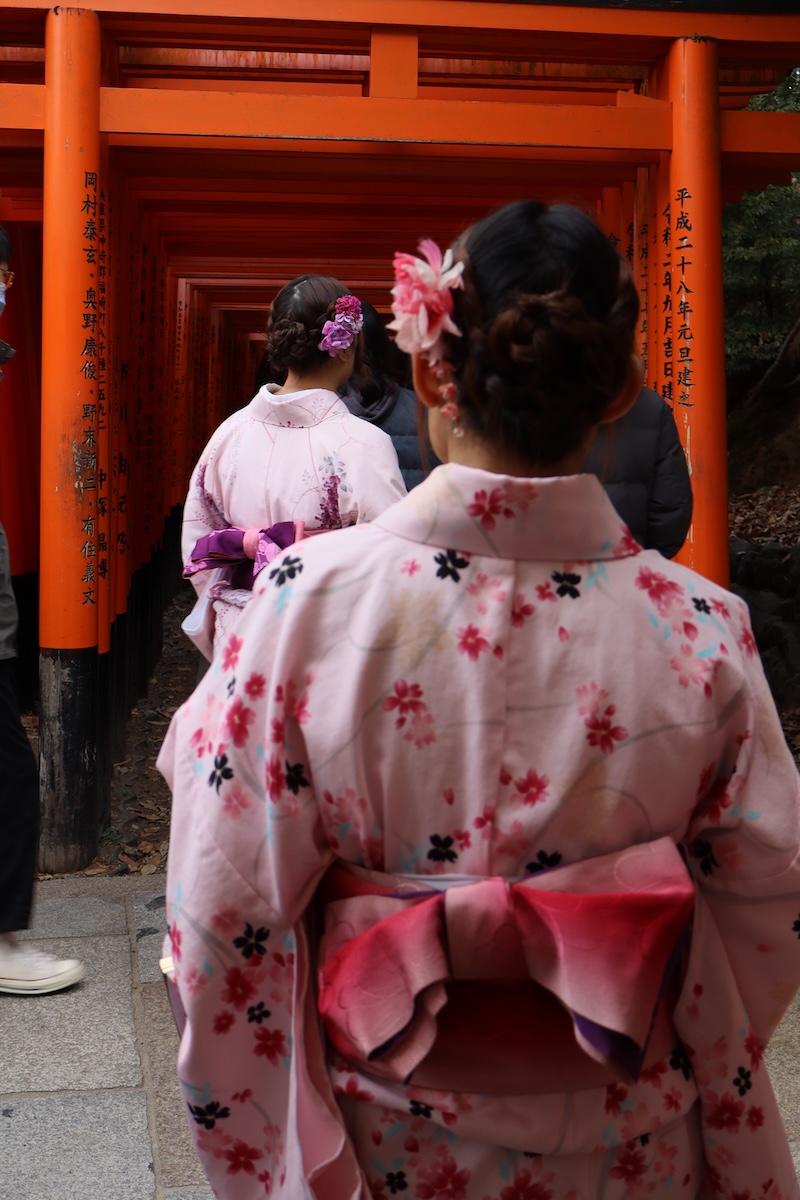
Fushimi Inari-taisha, Kyoto
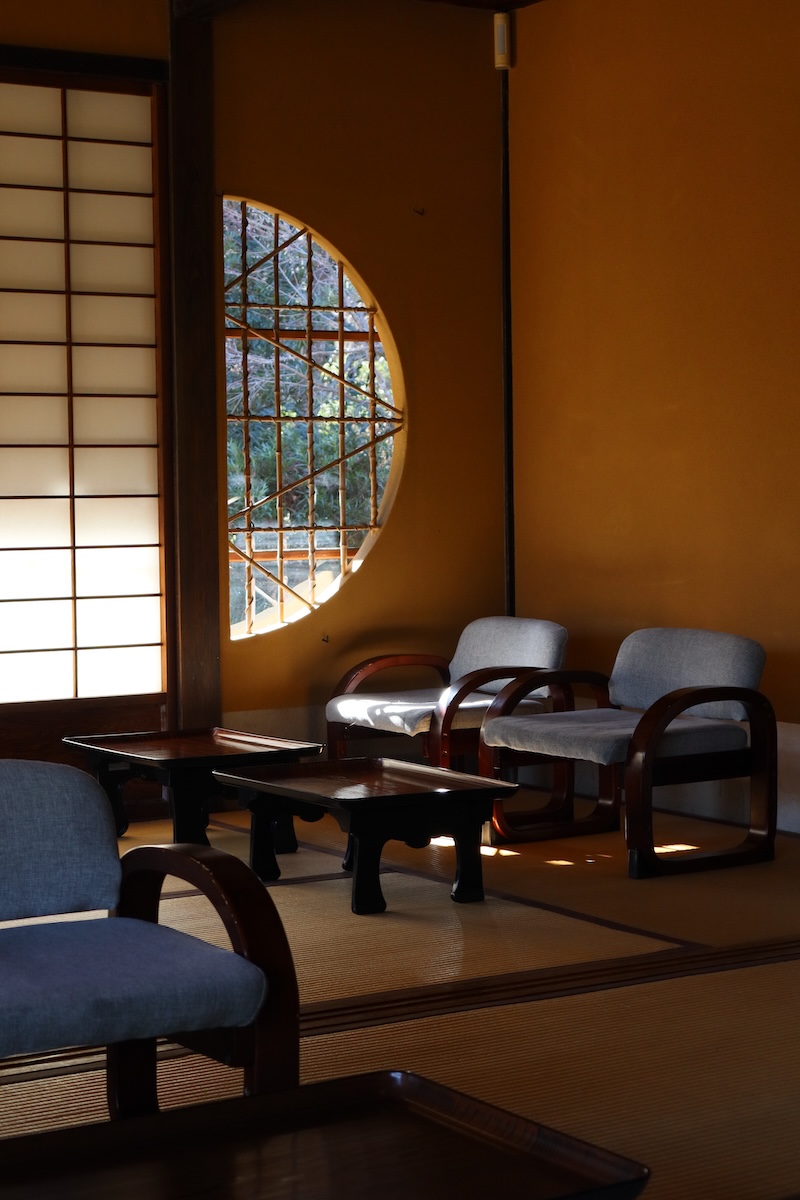
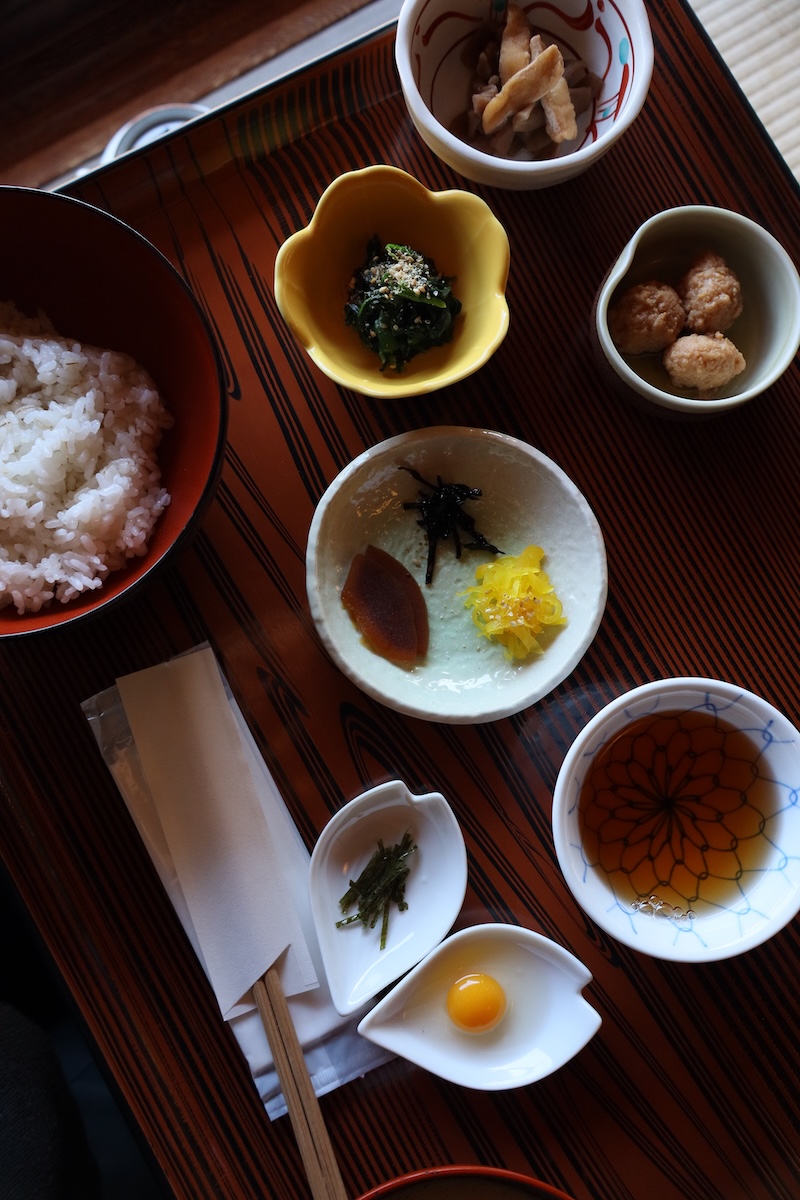
Sanshu-tei Restaurant, Nara
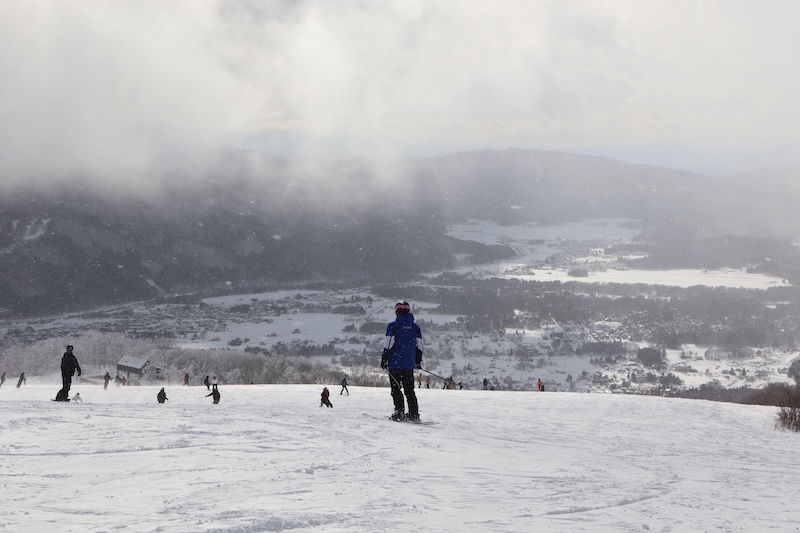
Hakuba Ski Slope, Nagano
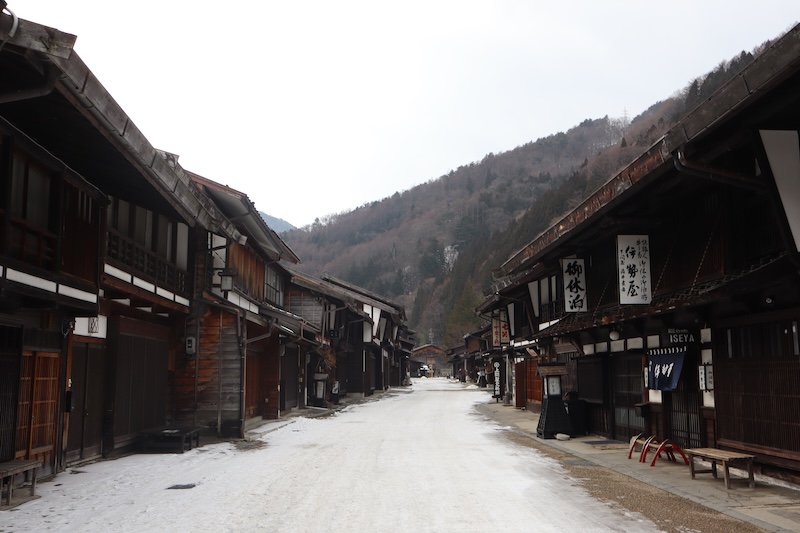
Snowy streets in Narai-juku, Nagano
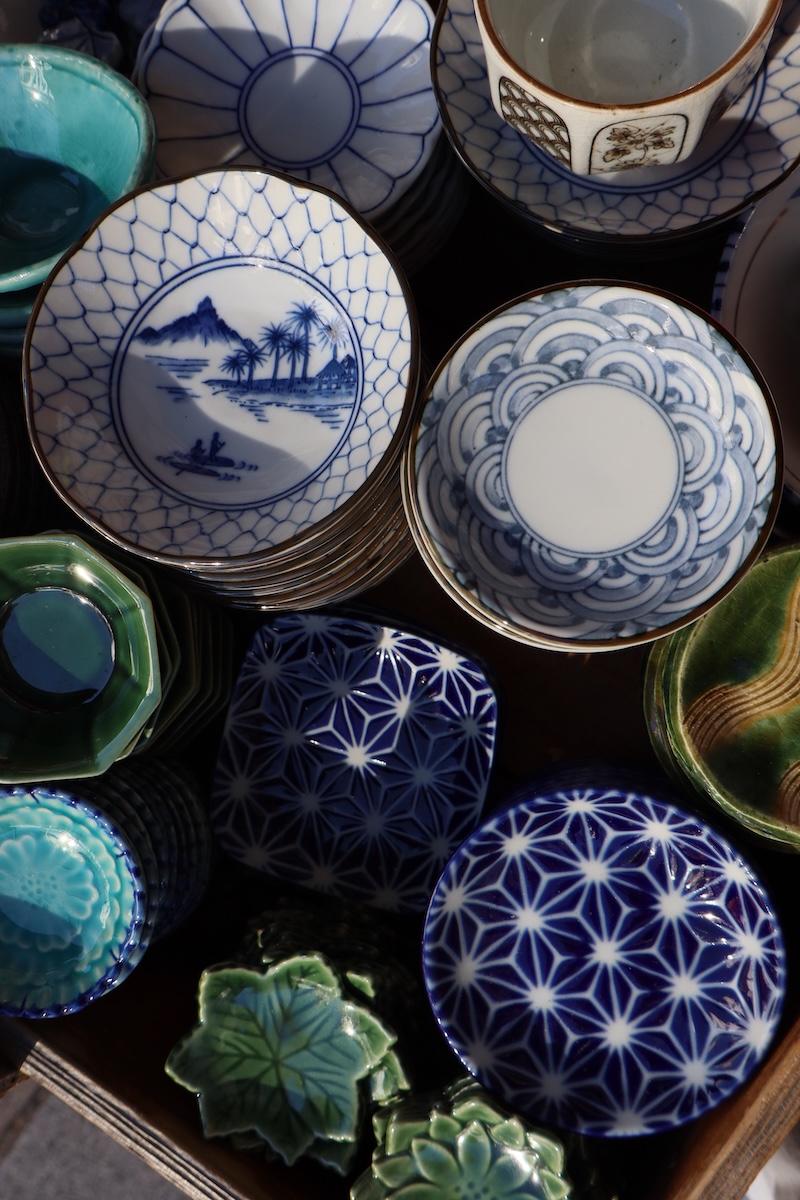
Handpainted treasures in a Tokyo flea
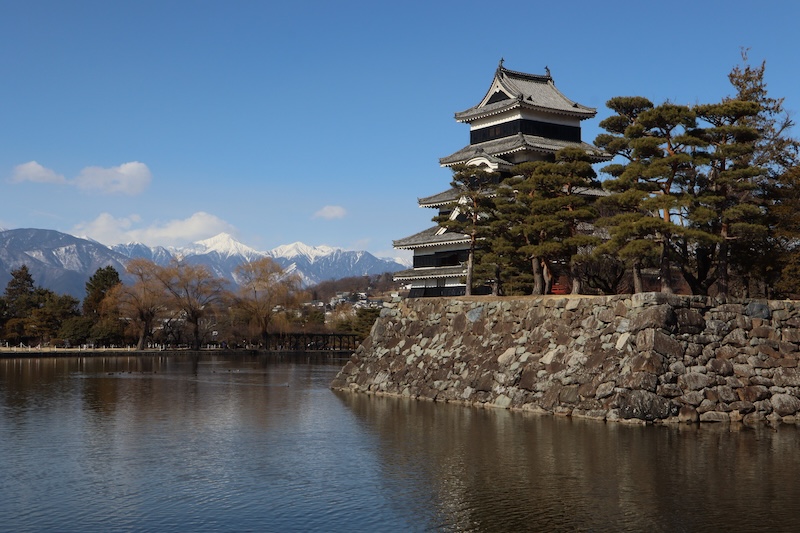
Matsumoto Castle, Matsumoto
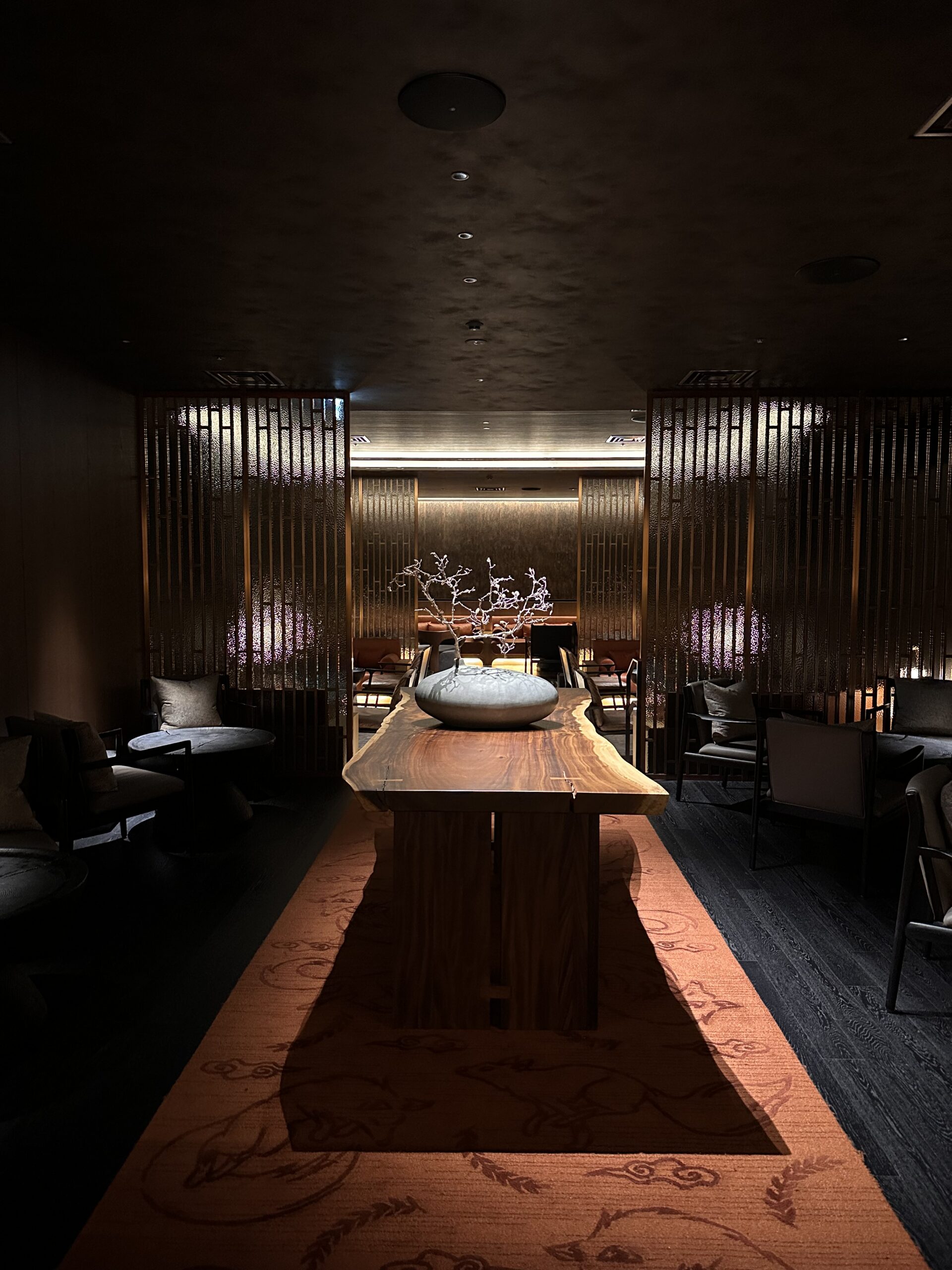
Hospitality and consistency in Nara
Quiet luxury in Nara
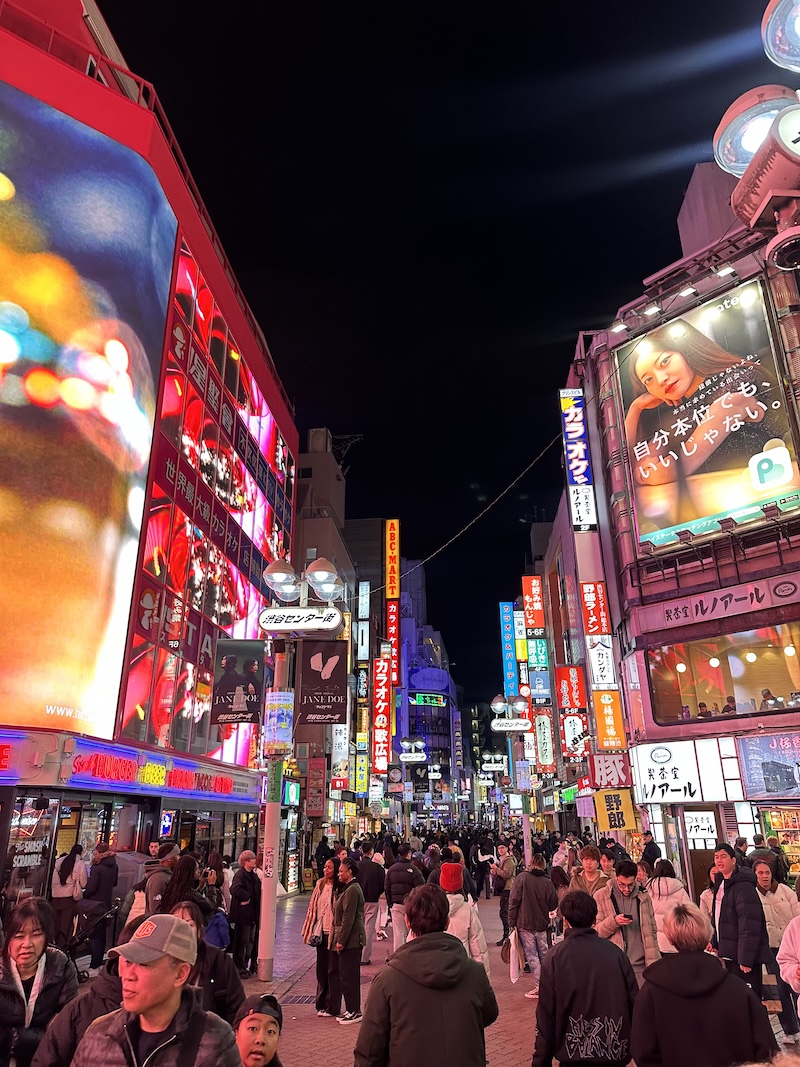
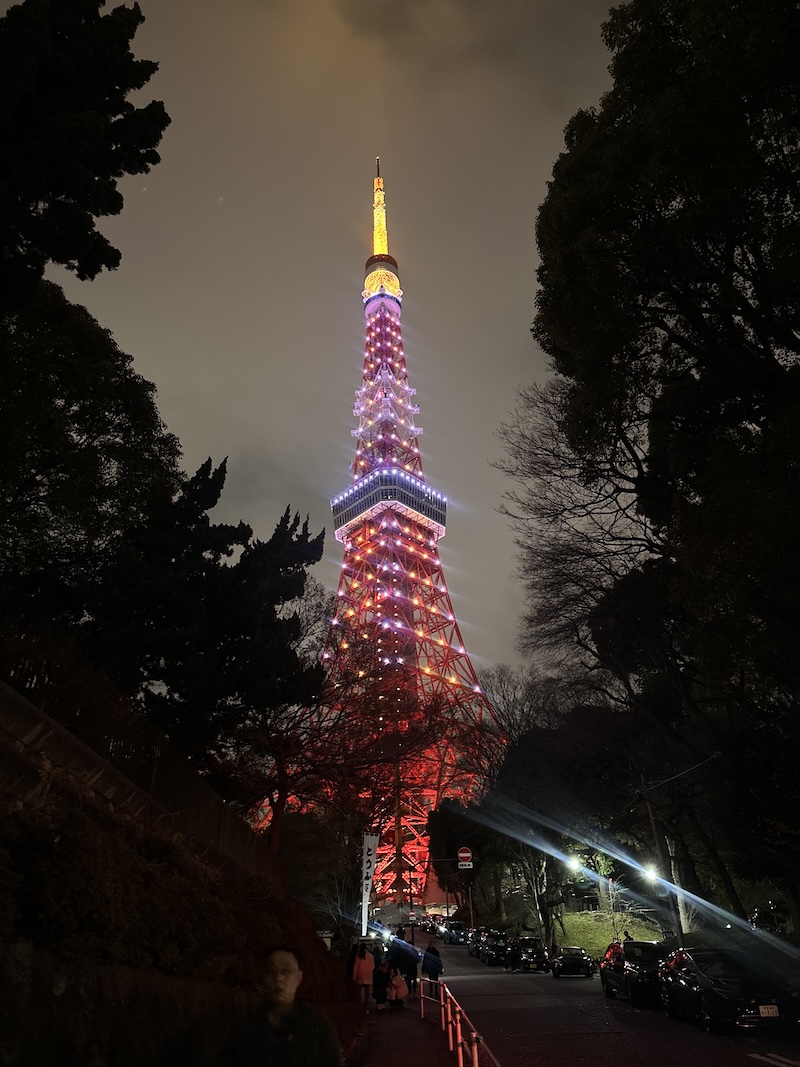
Tokyo lights
Tokyo at night
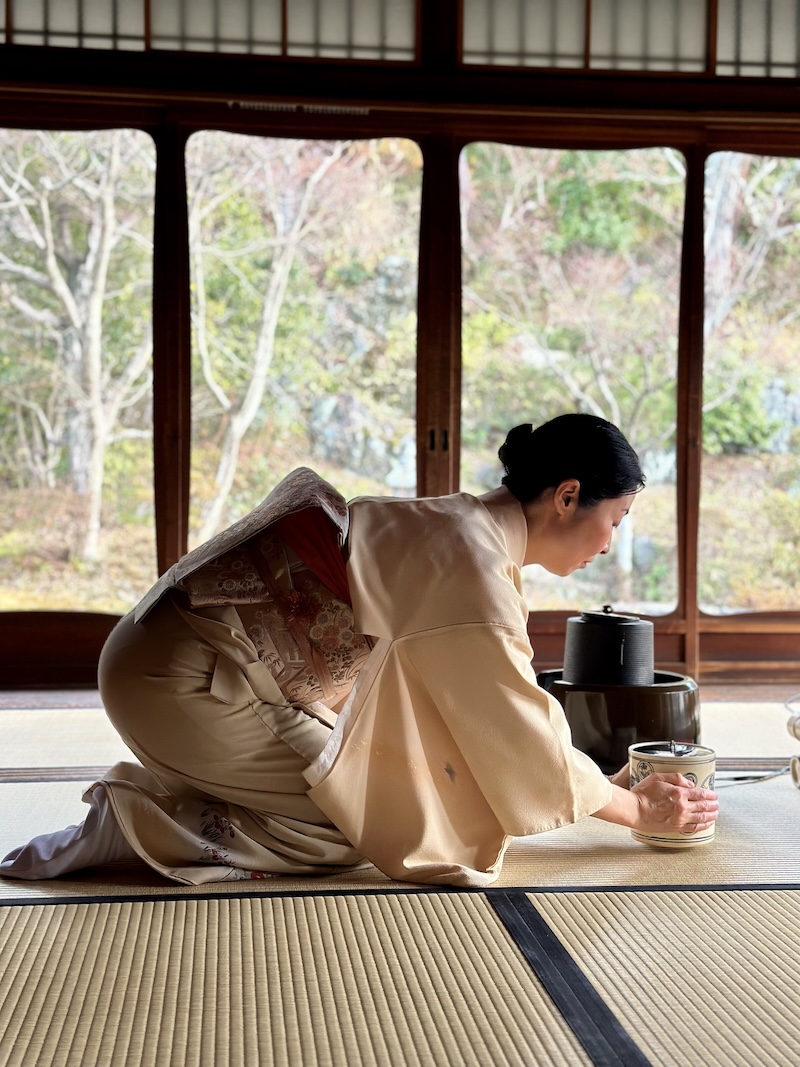
Traditional tea service in Kyoto
Share this Story
More Uncategorized
Darryl Gibson
A cultural curator reframing Miami’s social life through heat, ritual, and human connection
tell me more ›
Sweet Bocas is Rewriting the Rules of Private Paradise
A sanctuary where future-forward hospitality grows from the ground up
tell me more ›
Bulgari Hotels Screens “An Emperor’s Jewel – The Making of The Bvlgari Hotel Roma” in NYC
Hoteliers, artists, designers, and media came together for a special screening of "An Emperor’s Jewel – The Making of The Bvlgari Hotel Roma” at the exquisite Morgan Library in New York City
tell me more ›
Helping Hands for Morocco
How to support from afar those making a difference on the ground
tell me more ›