

We care about your privacy. We attempt to limit our use of cookies to those that help improve our site. By continuing to use this site, you agree to the use of cookies. To learn more about cookies see our Privacy Policy.
INDUSTRY INSIDER INTERVIEW
Gabriel Katz
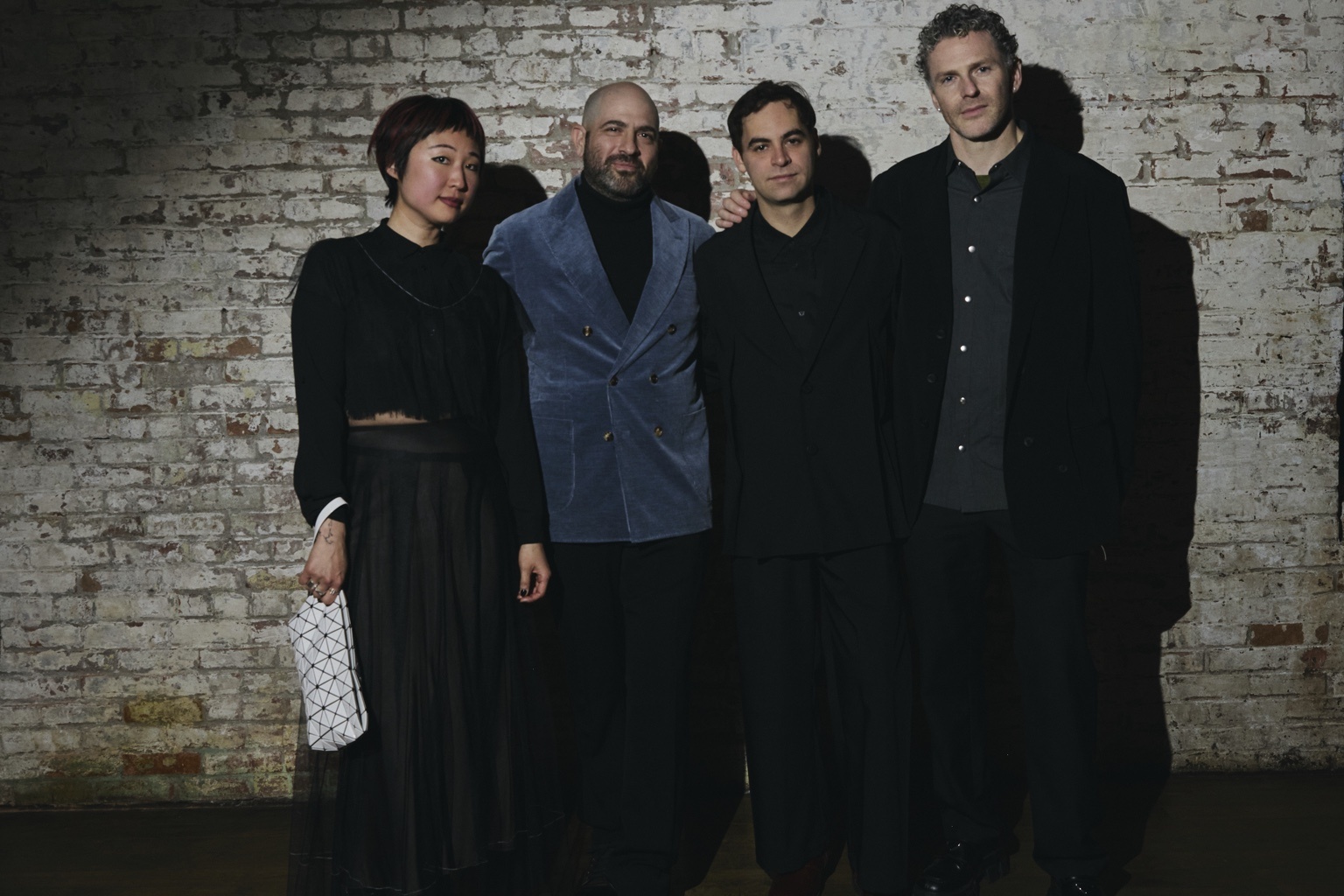
– follow Gabriel –
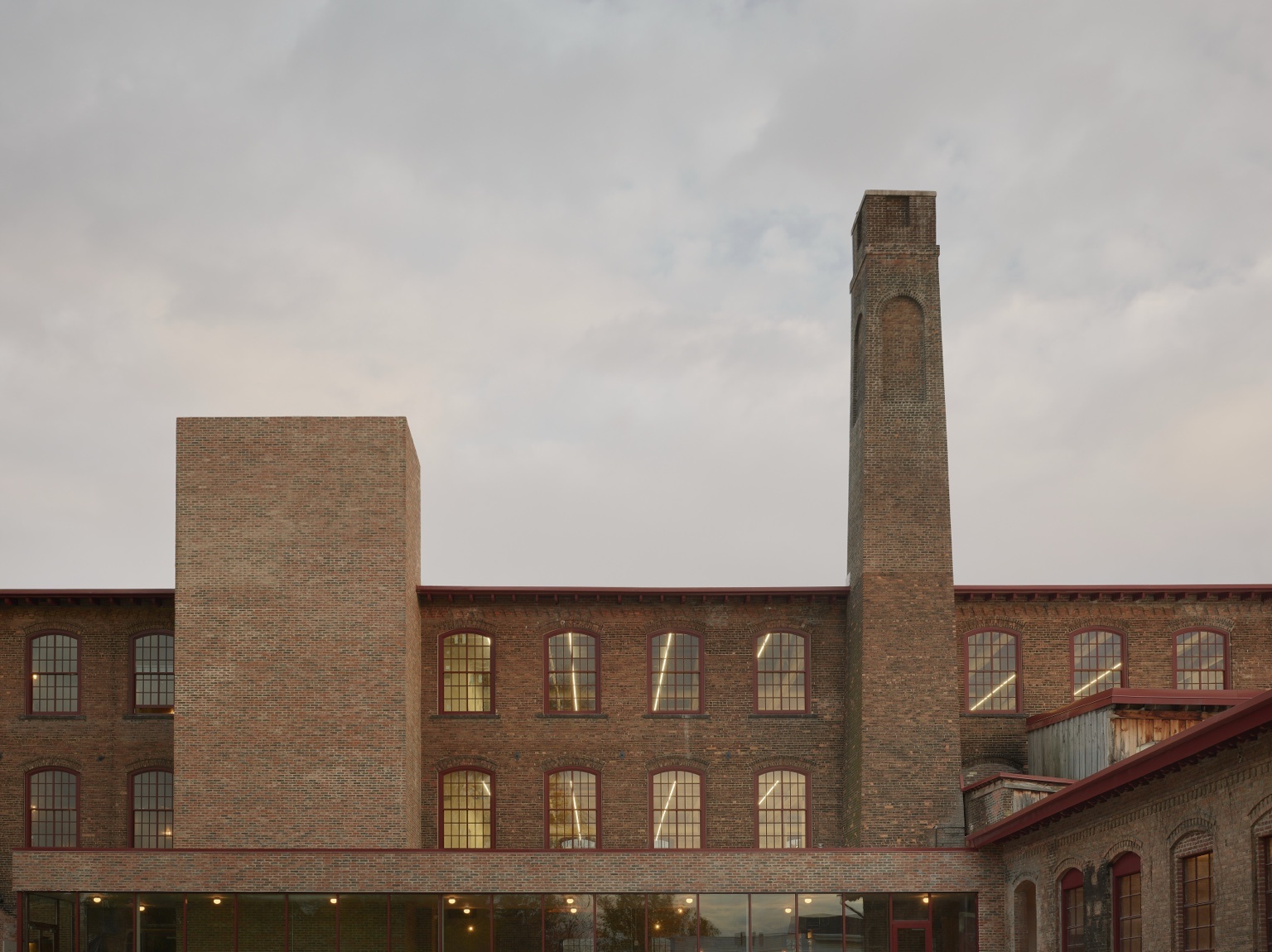
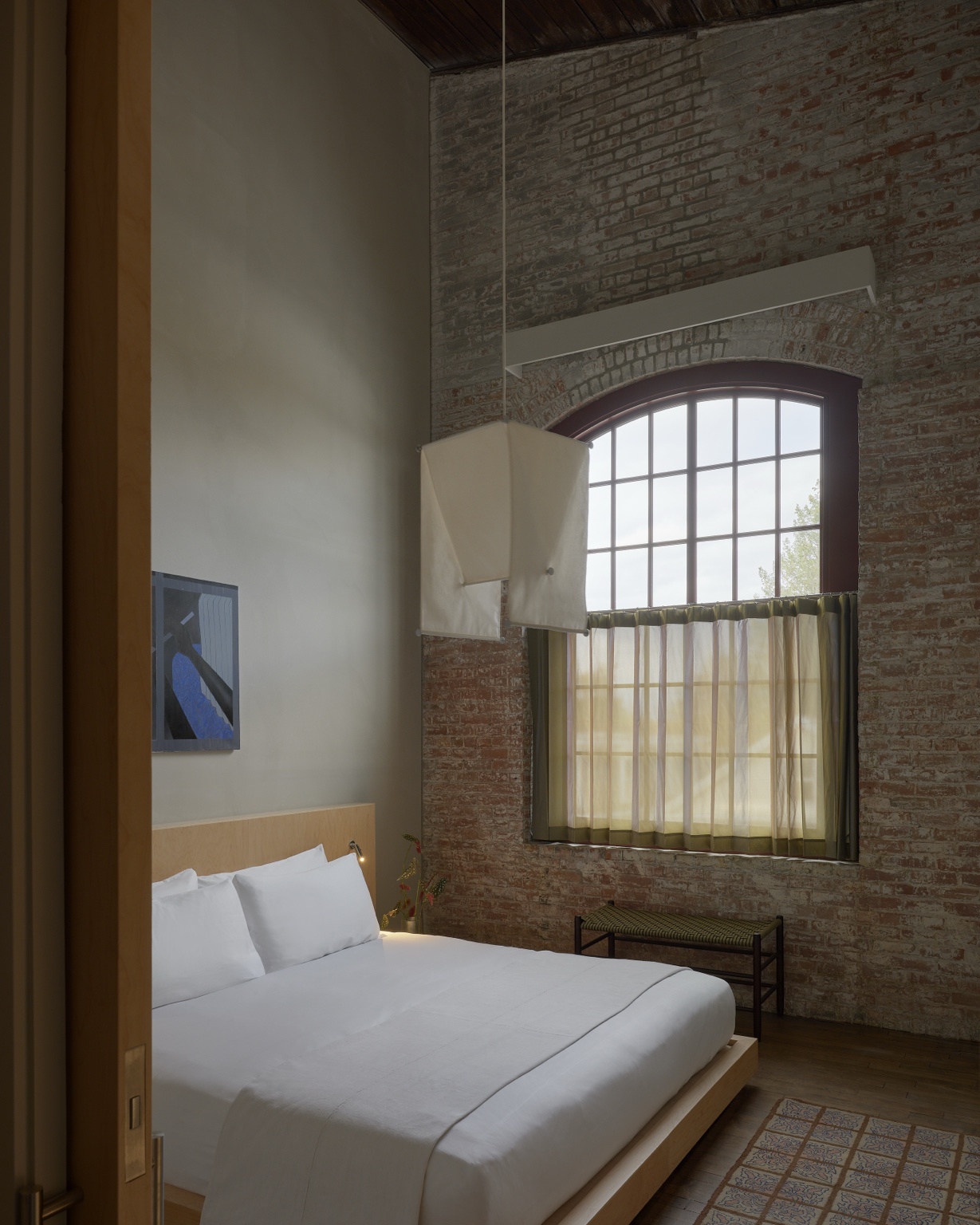
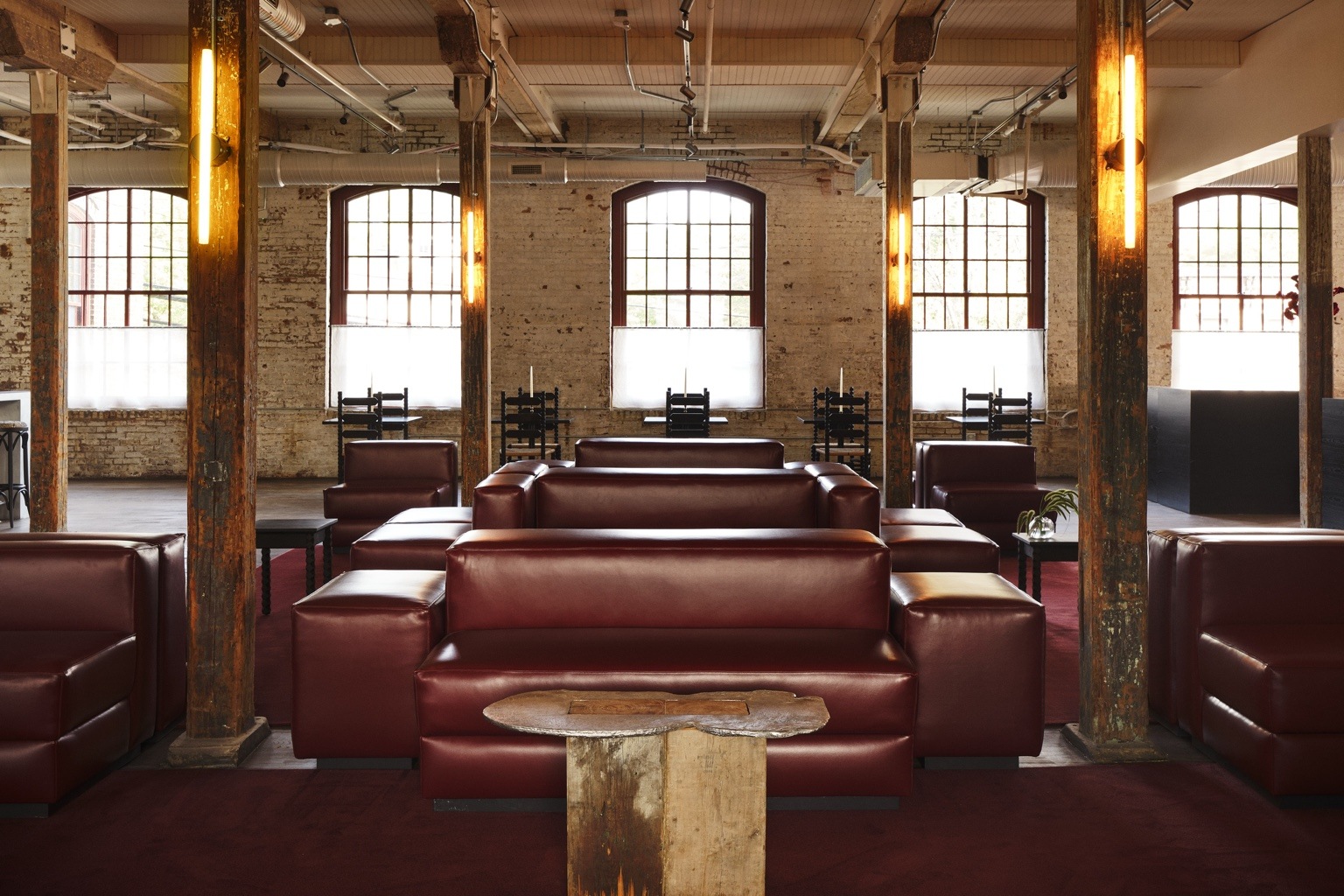
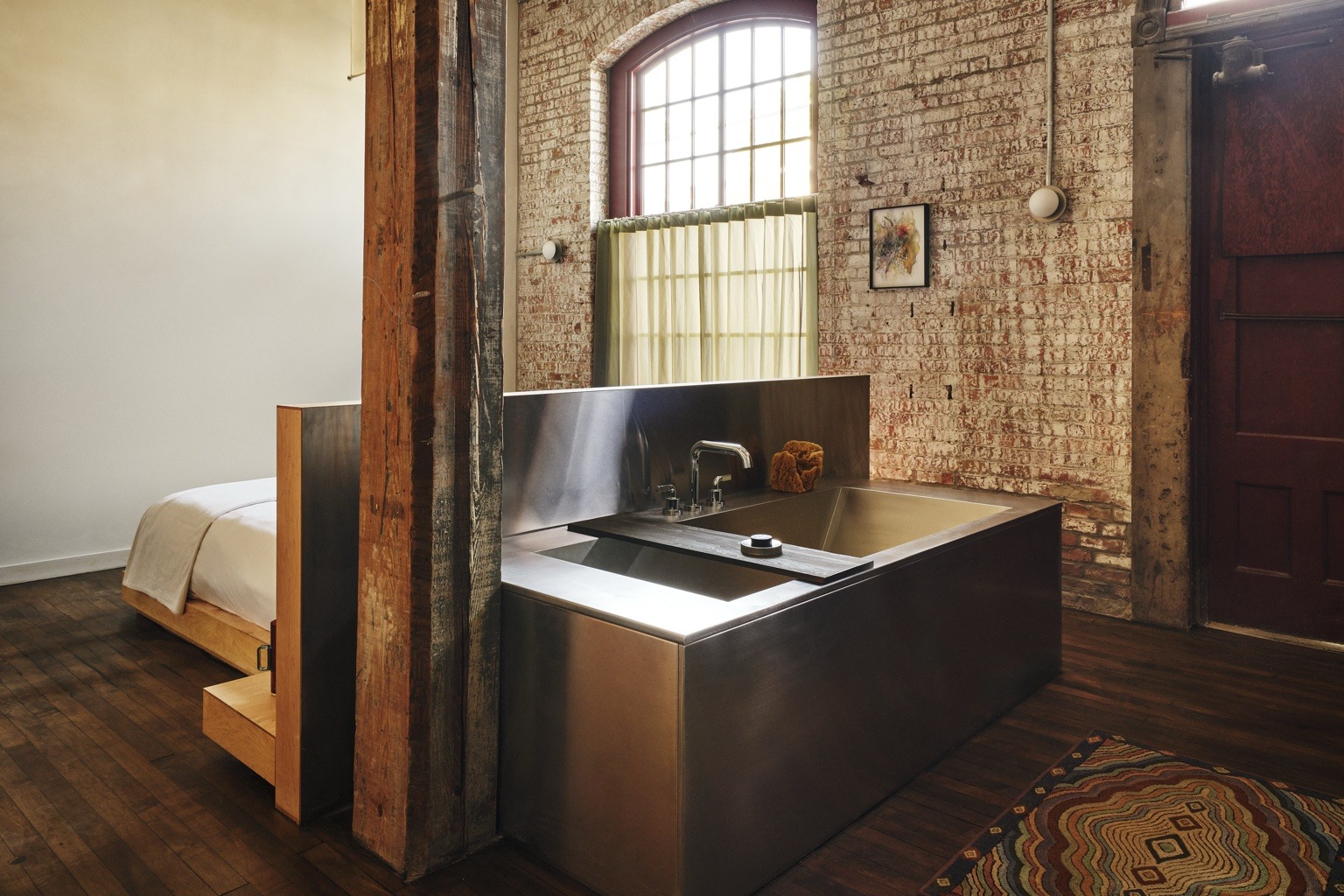
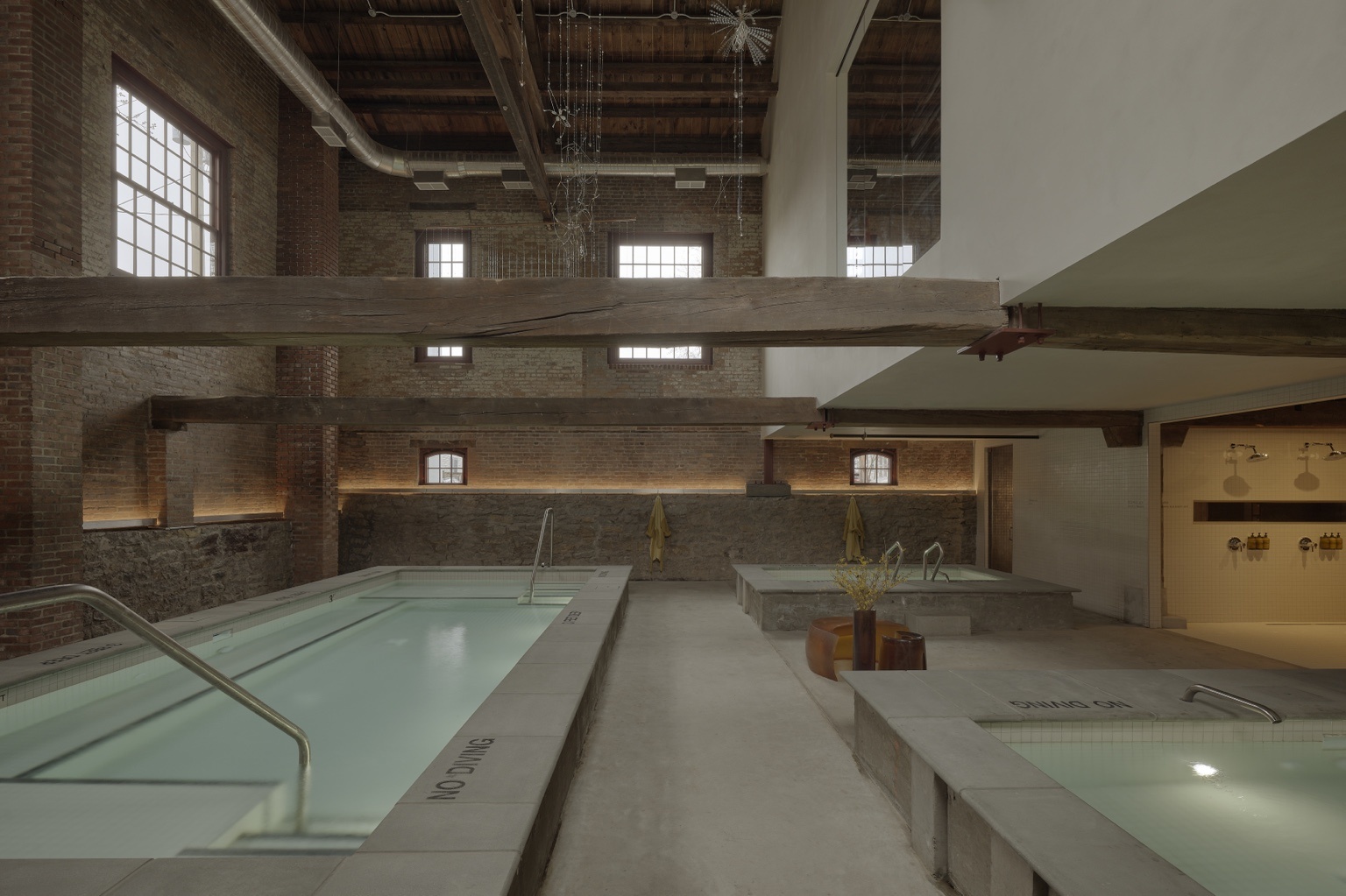
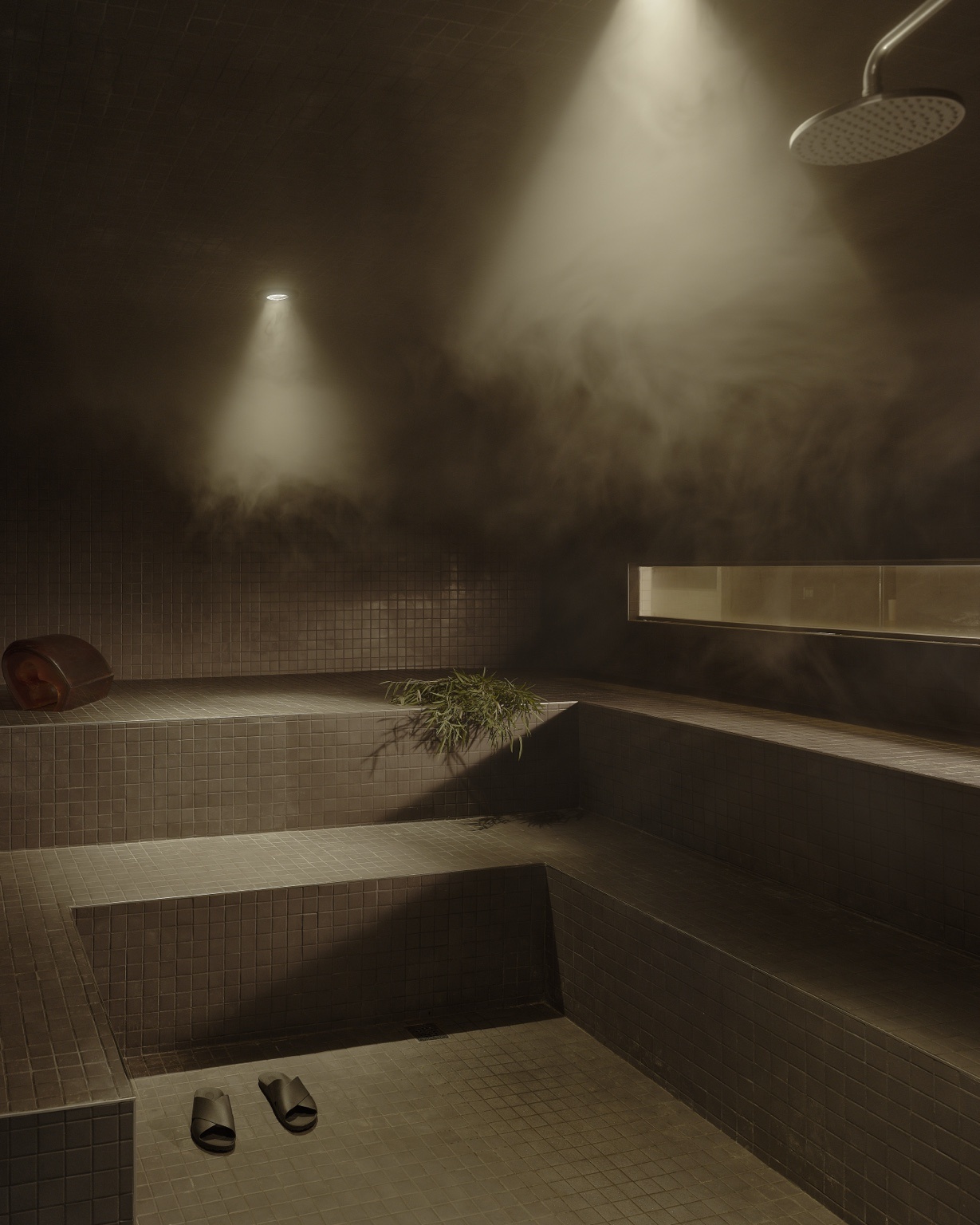
Just a two-hour journey from New York City, Hudson is a creative enclave, abuzz and ever growing. Pocketbook Hudson is its newest hotel, and it occupies the town’s largest historic structure. The 70,000 square-foot textile mill from 1883 has undergone a five year renovation and now it brings together 46 guest rooms and suites, a communal bathhouse, cafe, bar, a subterranean nightclub and three floors of curated retail.
Andrew Wasserstein sat down with Gabriel Katz, the hotel founder, to chat with on his ambition to create a destination for hospitality, nightlife, and wellness in upstate New York.
All images courtesy of Pocketbook Hudson. Photo credit: Adrian Gaut and Sean Davidson.
Share this Story
What do you do and how did you get here?
I am a partner in my family office, with a focus on historic adaptive reuse and hospitality. I like to joke that my job is to know a little bit about a lot of things, or to know enough to get me to the right person. I tend to wear many hats, from developer to hotelier, family member and, sometimes, shopkeeper.
I am not really sure how I got here. I would be lying to you if I told you the vision for Pocketbook Hudson Hotel & Baths was meticulously plotted based on a deep understanding of where we are and where we are going.
In reality, my most meaningful projects tend to have a level of uncertainty in their origin and come together in unexpected ways, often fueled by gut, emotion, and a connection to locality. I strongly believe in the power of people and partnerships and this was a defining feature in our journey. I am lucky to get to work with an amazing group of partners including Samantha Siegel, Sean Roland, Jeremy Selman, Nancy Kim, Vipin Nambiar, Caitlin Baiada, and Mary Frisbee, all of whom deeply impacted this project.
Tell us a bit about the factory’s history, its place in the region and what this massive building was prior to becoming the hotel?
Hudson, New York has a unique history as a river town. When you throw a stone into water you watch the rippling effect of concentric rings — there’s a similarity in the factory’s impact within New York’s history and its genesis in becoming Pocketbook Hudson.
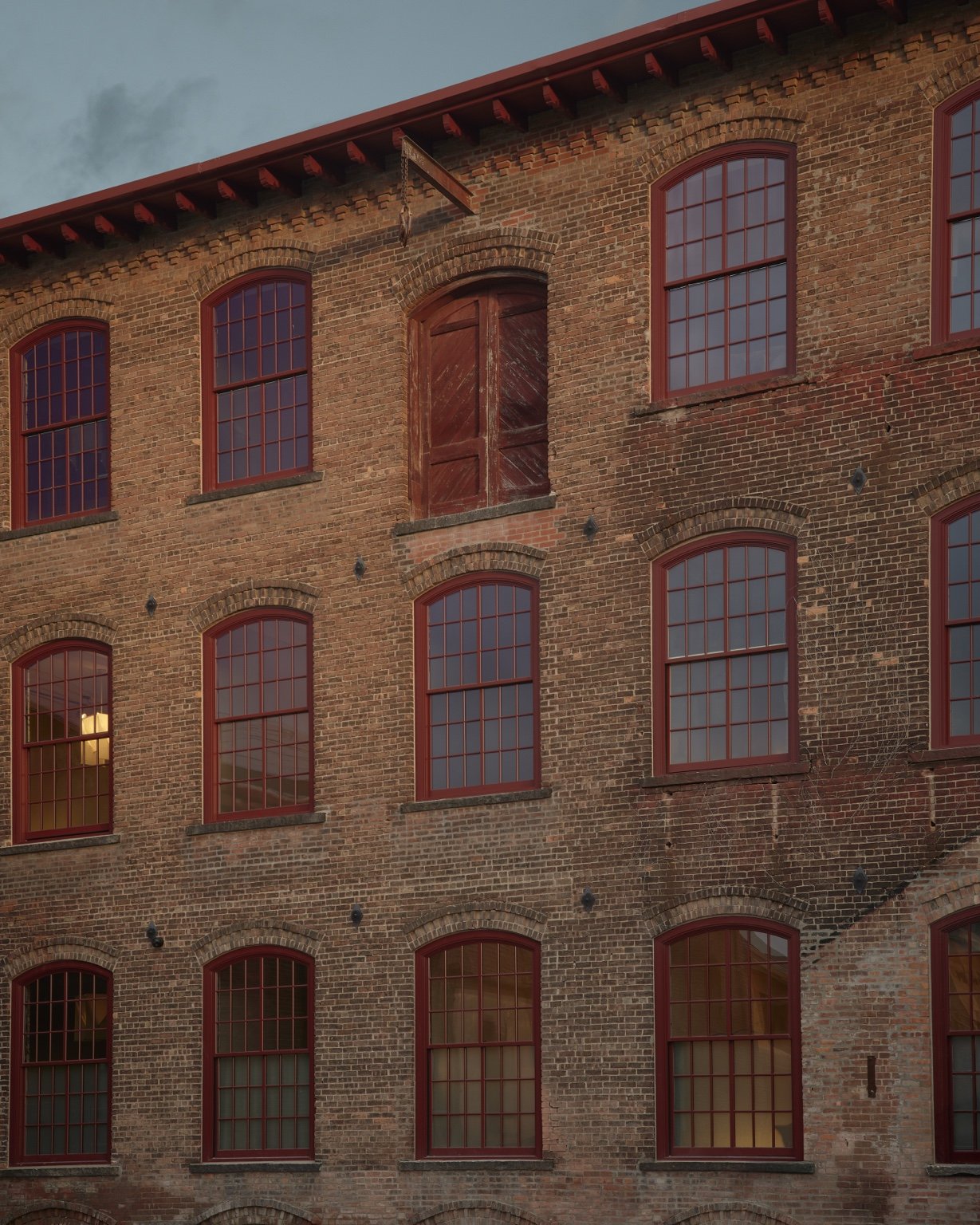
The factory was built in the late 1800s as a part of a connection of textile mills serviced by over 100 steamboats a day that traveled from the ports of New York up the Hudson River. The original mill was the major US producer of warm lined-undergarments. This business thrived until the early 1930s when it was liquidated as a result of the Great Depression.
A few years later the factory was purchased by the Kadin Bros., who specialized in women’s pocketbooks, purses, and luggage. The factory thrived until the 1970s and was eventually purchased by artist, designer, and personality Eleanor Ambos, who used the former mill as a combination of studio, art exhibition space, storage, and hideaway. Eleanor, a truly unique character to say the least, stewarded this property into the present day and embedded in its bones a sense of rogue, experiential, and experimental energy.
You brought in Valeri Chekheria and Levan Berulava from Salt Projects as early consultants. The dynamic duo from Tbilisi are the brains behind Georgia’s dynamic rise to a top-tier travel and boutique hotel destination. How did their insight shape the Pocketbook Hudson story?
I met Val and Lev through a chance encounter in Brooklyn in 2016, and shortly after I hopped on a plane to Georgia and dove head first into their world. They are truly the mayors of Tbilisi and their hotels, restaurants, farming initiatives, local hiring, and housing work represent a vision and execution on hospitality as the connective tissue for a dynamic life.
Their properties do so much more than just offer transient housing. They are foundation blocks for neighborhoods, culture, employment, entrepreneurship, and a true expression of Georgian hospitality.
You’ve lived in the Hudson Valley for many years now. How have you seen this region evolve during your time here, and how do you see its future expanding?
My grandmother moved to Hudson in the early 2000s and extended family have lived in the Catskills since the early 90s. My wife and I moved permanently to the Hudson area in 2019.
Today’s cultural shifts in how we travel, what we value in hospitality experiences, and how we want to spend our time and dollars have influenced the type of offerings seen in the Hudson Valley region. Pocketbook Hudson Hotel & Baths, born during the pandemic, is somewhat a response to these shifts.
Currently there are less than one third of the hospitality spaces in operation that existed during the peak decades (1930-60s) of the Hudson Valley. Our history, especially culturally, moves in cycles and is often defined by its peaks and valleys. The Hudson Valley is no different. For fifty years, the Borscht Belt defined a type of New York hospitality that led to over 50,000 hotel rooms in the region, with over 1 million annual summer visitors, almost exclusively New Yorkers. I’ve noticed a growing interest in the region from my fellow New Yorkers and think we’ll see a continued regeneration as the interest in regional travel returns.
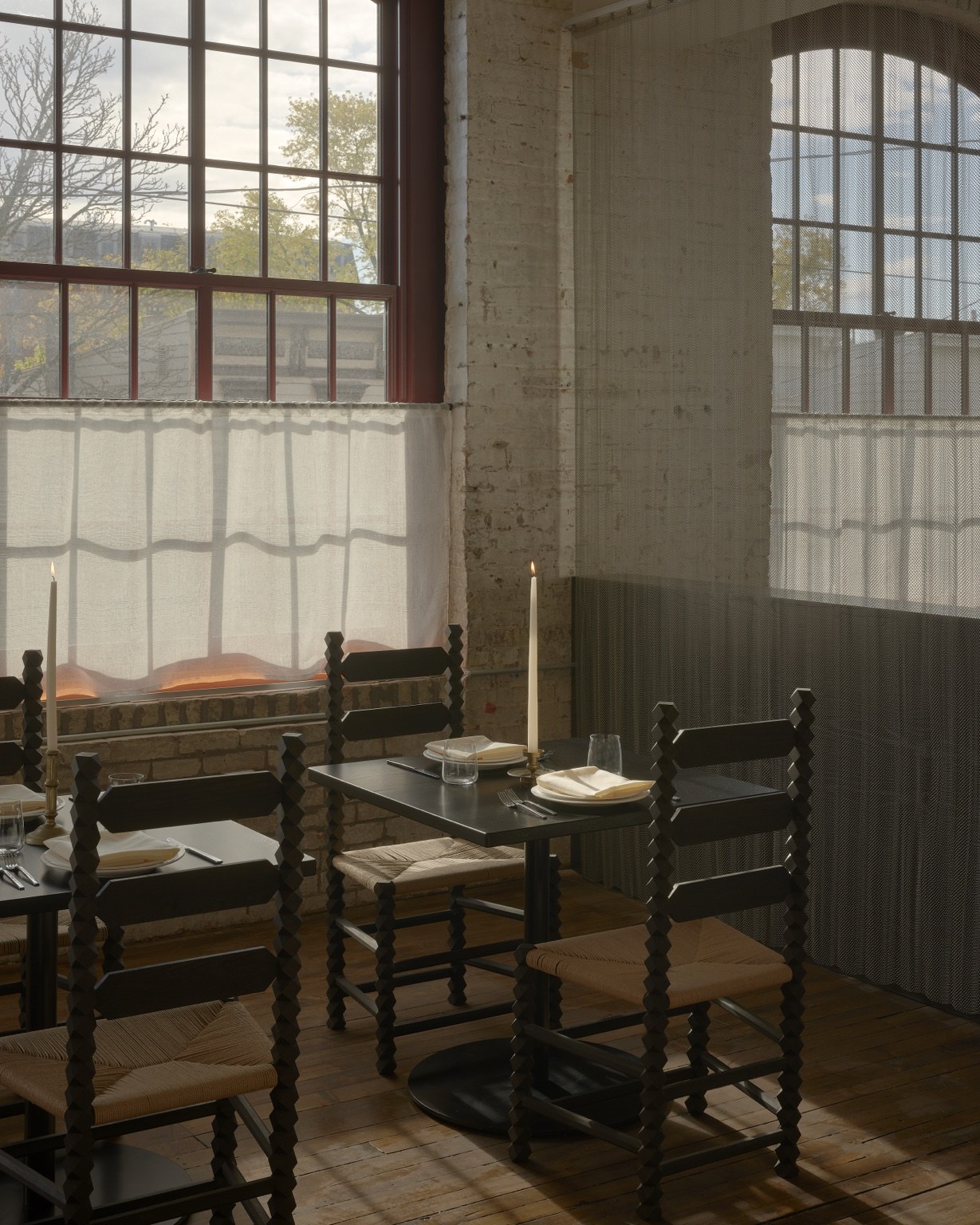
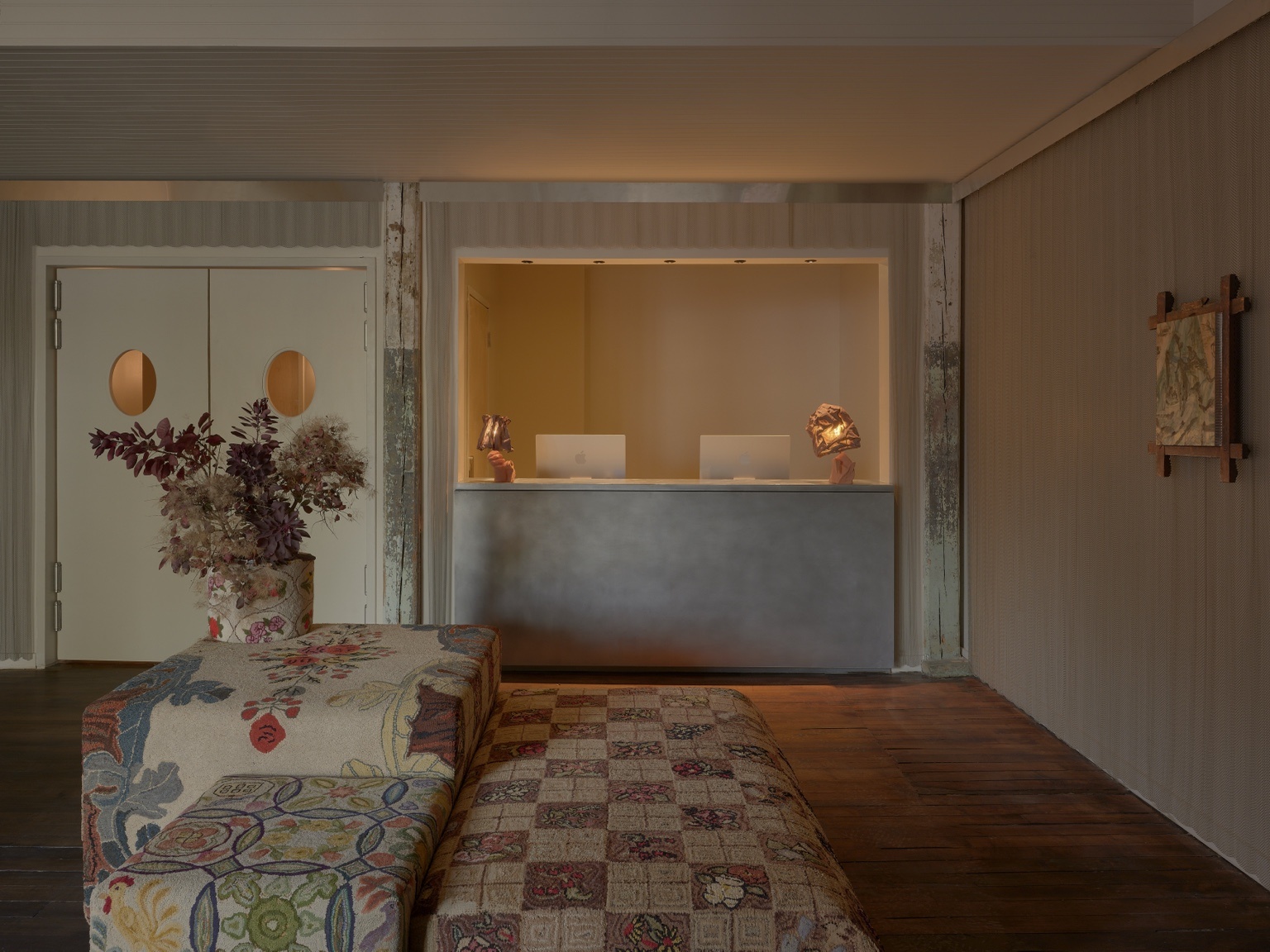
Fresh off their prestigious win of the 2026 Cooper Hewitt Smithsonian Design Award for Interior Design, this is Charlap, Hyman & Herrero’s first full-scale hotel project. What was the experience like working with the interiors firm on Pocketbook Hudson and what did they bring to the project?
We loved working with our friends Adam and Andre and the whole Charlap, Hyman & Herrero family. As design architects and interior designers their vision, willingness to push boundaries, collaboration, and ability to not take things too seriously were invaluable elements.
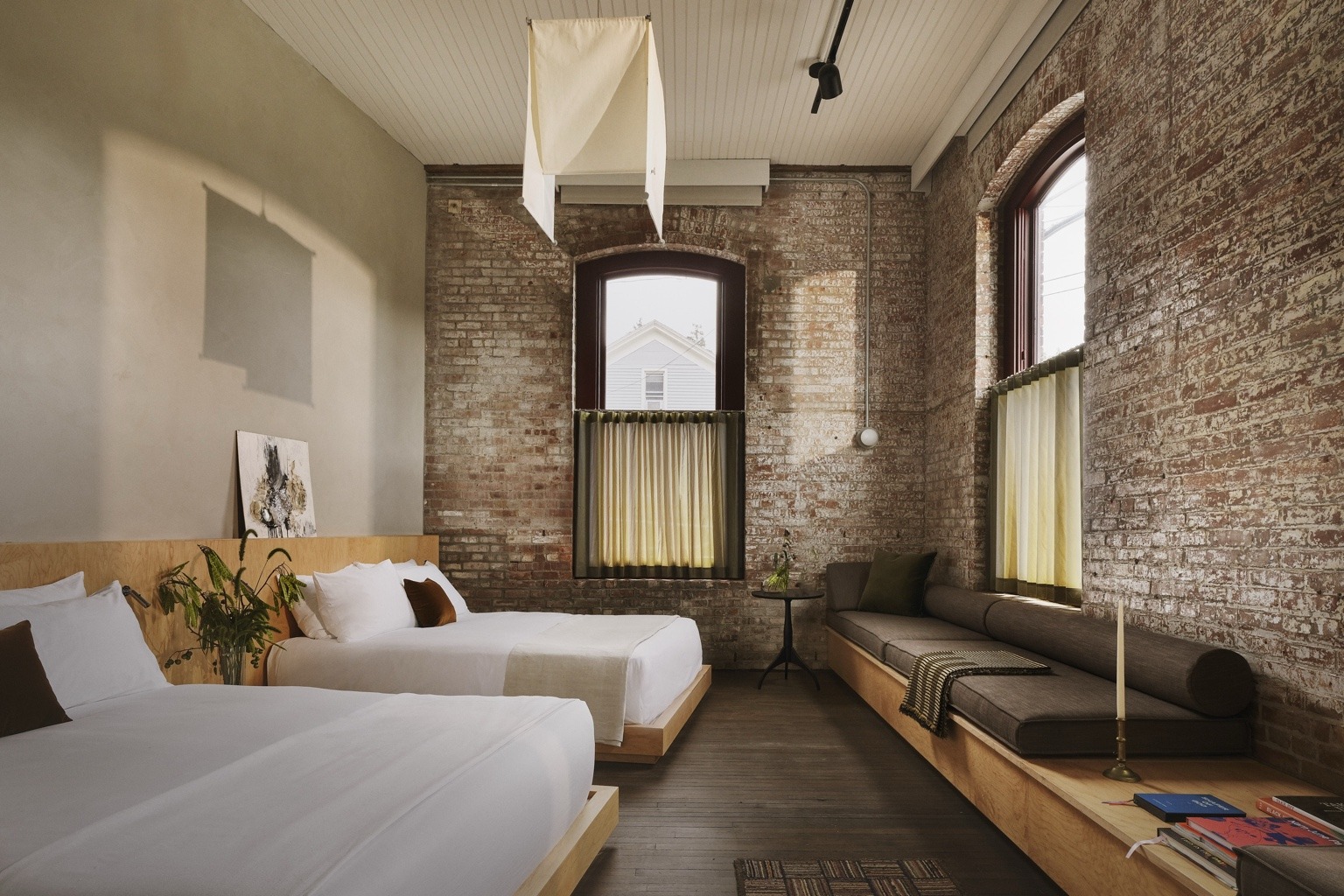
For me, working with CHH was defined by their absence of preconceived ideas on hospitality. This was their first hotel project, and as such they were freed from the programmatic, inside-the-box thinking that defines some industry players. This led to new ideas and a fresh outlook on what a hotel can be and feel like. It’s a little bit like catching lightning in a bottle because there can only be one first time.
What’s your favorite memory from the development process?
Getting my hands dirty alongside partner and Head of Design, Nancy Kim. Together we demoed by hand (and hammer!) an old brick wall in the former boiler room which is our current nightclub.
Biggest challenge so far?
Not gaining weight given the number of times I eat at Ambos, our on-site restaurant from Chef Norberto Piattoni.
Favorite hotel amenity?
Most people would say the baths. For me it’s the three floors of stacked retail; I am a 90s kid that grew up in malls so I love this interpretation or iteration of that shopping and retail experience.
If you were a hotel and you could not be Pocketbook Hudson, what hotel would you be and why?
Michelberger Hotel in Berlin; the first hotel that inspired me to try my hand at this. The combination of idealism, hospitality, experimental, ever evolving, accessibility, seasonal cuisine, a perspective on design, courtyard, and really good coconut water.
10) Partnerships are so essential to crafting the narrative of a hotel space and developing a real sense of place and identity. How has Pocketbook Hudson approached partnerships and with whom have you collaborated within the Hudson Valley and the larger design world?
We believe the best way to judge someone is by their friends, and we love working with ours:
A for Ara, Adrian Gaut, Anna Feng, Anne Libby, Arley Marks, Charlap Hyman & Herrero, Chaseholm Farm, COLBO, Being-Home, Eckhaus Latta, Everybody.World, FDK Florals, Furqan Jawed, Happy Valley Meat Co., Hardwares LLC, Helena Eisenhart New York, Jake’s Gouda, Kasuri Hudson, Kianja Strobert, Kinderhook Farm, Kriemhild Dairy Farm, Lancaster Farm, LikeMindedObjects, Lutfi Janania, Matthew Tsang, Matthieu Lavanchy, MAMO, Map Design Studio, Maryam Hoseini, Mel The Bakery, Michael Yarinsky, Misha Kahn, Myers Farm Coop, Namu Future, Ntangou Badila, NiteMind, Otto Ohle, Patricia No, Primary Visual, Raven & Boar Farm, Rich Aybar, Ronnybrook Dairy Farm, Sean Davidson, Seedlings Co-op, SelfCareLuxe, Serapis, Seven Wonders Collective, Shoppe Stoppe, Show: Room Hudson, Sophie Stone, Stephanie Shiu, Third Rooom, Tivoli Mushrooms, Tschabalala Self, Veritas Coop, Village Common Mercantile, WangShui, White Pine Community Farm, Wild Hive Farm, YanYan.
Share this Story
More Industry Insider Interviews
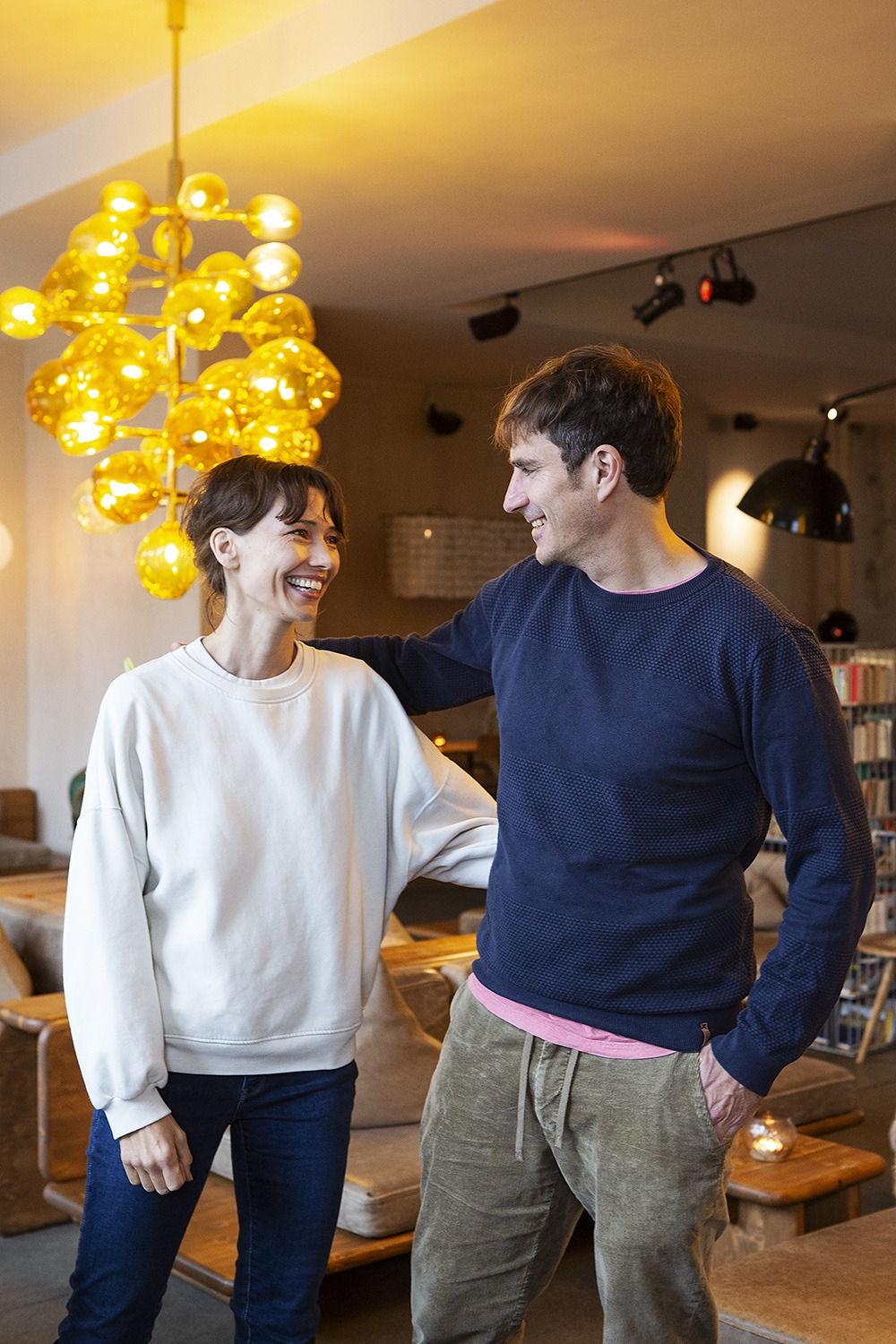
Tom & Nadine Michelberger
Founders of Berlin's Michelberger Hotel, Restaurant & Farm and PEOPLE Festival on growing without simply getting bigger
tell me more ›
Damian Romero
Producer, curator and cultural strategist shaping the landscape of music, art and hospitality in Mexico City and beyond
tell me more ›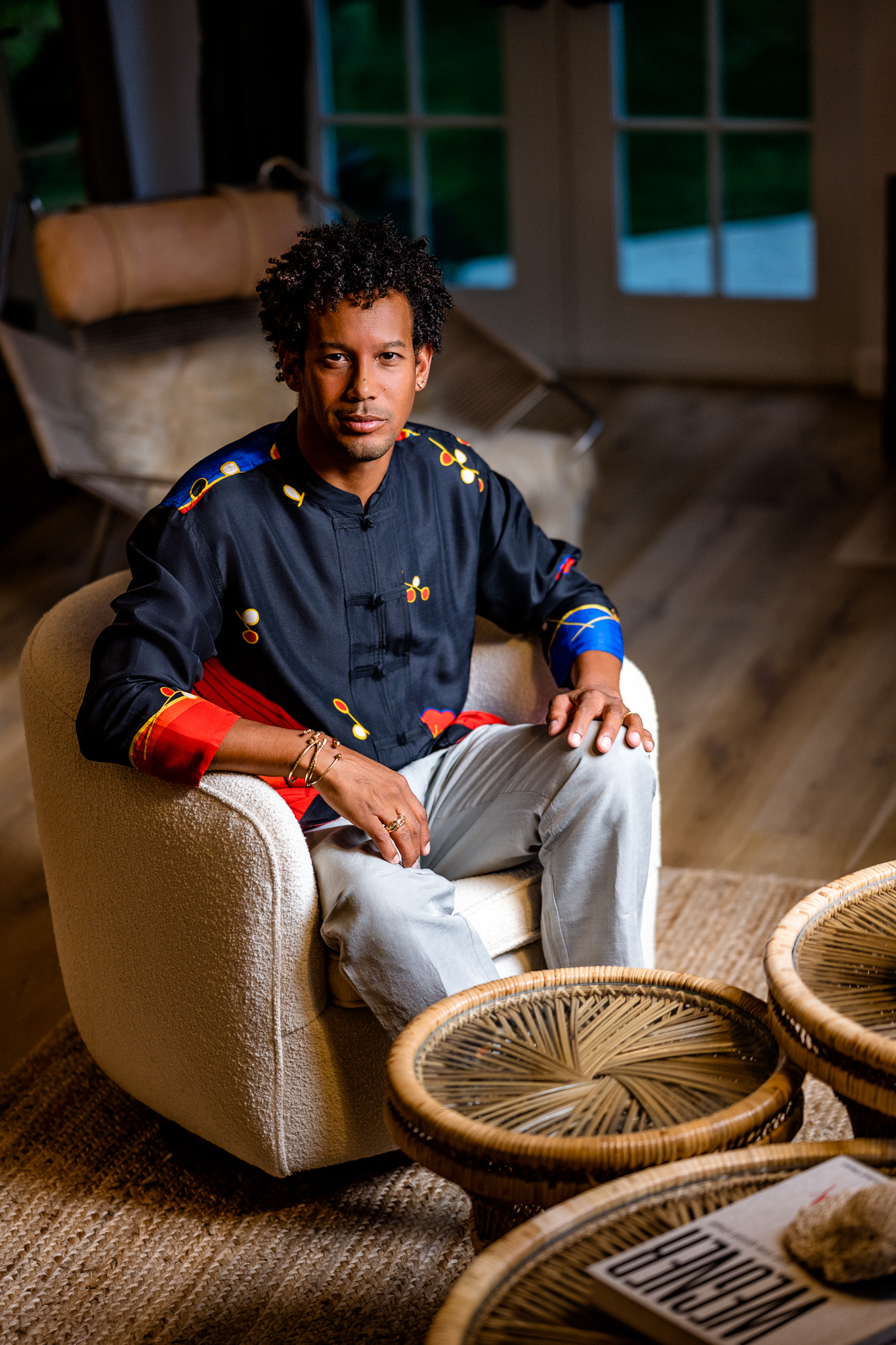
Darryl Gibson
A cultural curator reframing Miami’s social life through heat, ritual, and human connection
tell me more ›