
We care about your privacy. We attempt to limit our use of cookies to those that help improve our site. By continuing to use this site, you agree to the use of cookies. To learn more about cookies see our Privacy Policy.
INSIDER COLUMN BY BASHAR WALI
Who’s Answering After Midnight
Guests want human attention. So where did all the people go?
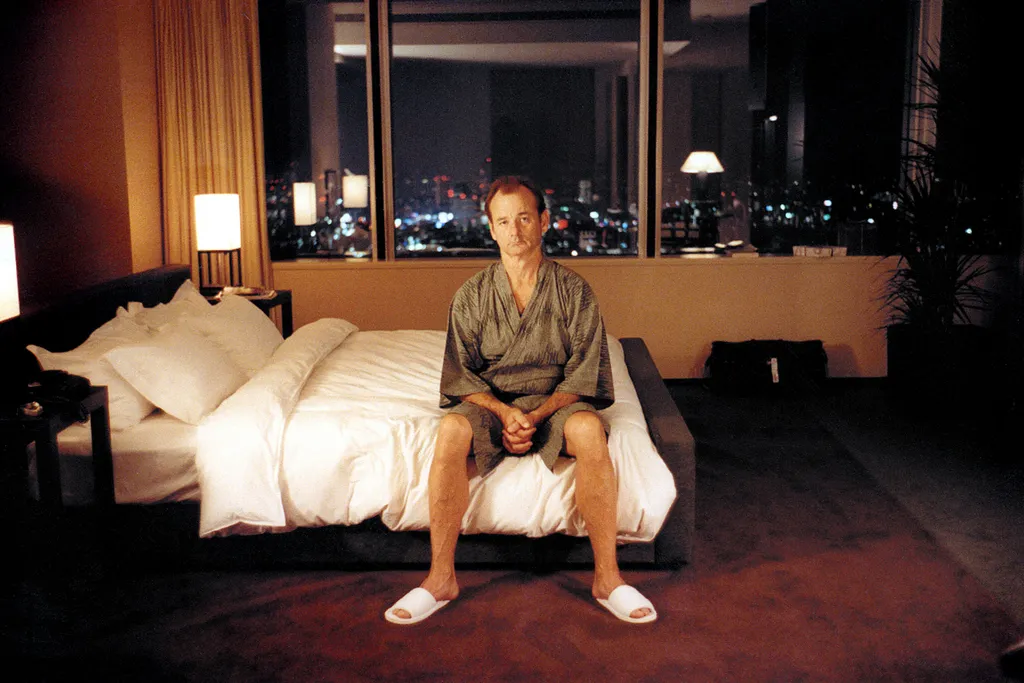
The industry has gotten very good at naming things. Hilton coined “hushpitality” in its 2026 Trends Report; Expedia’s Unpack ’26 gave us Farm Charm, Readaways, salvaged stays, and set-jetting. Then the floodgates: sleep tourism, longevity stays, noctourism, coolcations, forest bathing, biohacking escapes, JOMO travel, romantasy retreats, hotel hopping. My favorite is hurkle-durkling, an old Scottish word for lying in bed past the hour you should be up — somebody dug it out of the language, somebody built a landing page, and now you can book it.
We have branded vocabulary for reading, resting, sleeping alone, visiting a farm, skipping a drink, and staying somewhere you saw on television. Every human impulse gets a name; the humans who used to tend to them get a shift cut. The exhaustion is real, the trend is a costume.

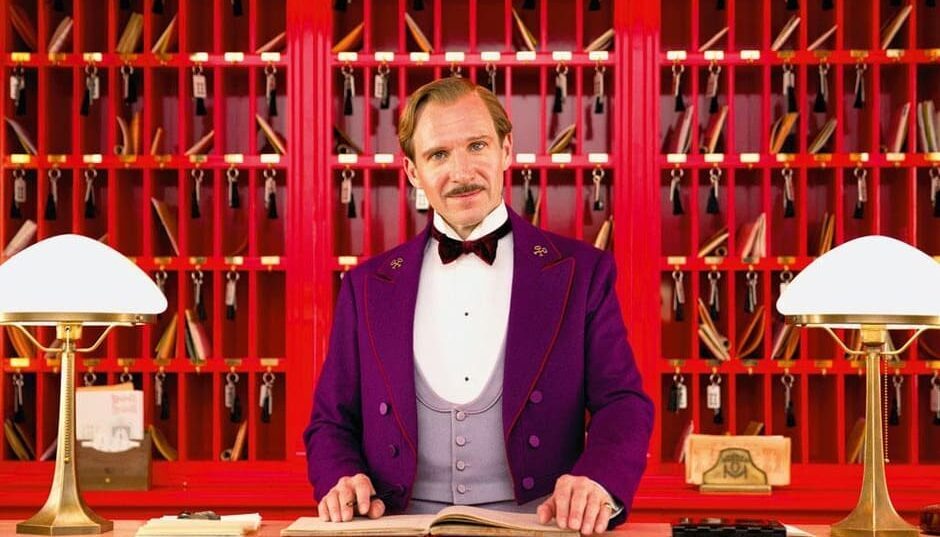
We cut the people closest to the guest, then hired people to name the feeling those people used to make
What quietly left your room
Hilton found “rest and recharge” is now the top reason people travel. I read that as a symptom, not a trend: people are wrecked, buying a feeling and praying the building can hold it. A good hotel has always sold that feeling — rest, food, quiet, safety, beauty, belonging — for a century, under one word, without a glossary.
We felt what was missing before anyone published a number. Over the 2024 holidays, the American Hotel & Lodging Association found 65 percent of hotels short-staffed and 71 percent unable to fill open jobs, housekeeping the deepest hole. CBRE is blunter: hours worked at the average hotel are down 7.4 percent from 2019 while payroll is up 22.1 percent — paying more for fewer people.
The number that explains your last bad night comes from HotelData: guest-services hours per occupied room fell from 0.46 to 0.40 over nine months of 2025. In minutes, every occupied room lost about three and a half minutes of human attention. That’s the difference between a lost passport and a found one — between an app saying the pharmacy’s closed and a night manager who knows which one on Burnside is open until two. We cut the people closest to the guest, then hired people to name the feeling those people used to make. You cannot trademark your way out of an empty front desk.
No grumpy guests
The exhaustion is real, the trend is a costume
What’s next?
What actually works is gloriously ordinary. J.D. Power’s 2026 guest-satisfaction study — 44,787 guests across 104 brands — found satisfaction rising in every segment even as rates climbed, driven by staff interactions, better food, cleaner rooms, and pools someone bothered to maintain. In thirty years of that survey, not one invented category has ever made the list of things that make people happy.
The distinction the business forgets is between service and hospitality. Service works off a standard; hospitality reads the room. Service sends a crib to 412 in twenty minutes and does nothing wrong; hospitality sees the two destroyed parents at the desk, sends the crib before they ask, and runs the bath. When the bathroom floods at six a.m., service sends towels; hospitality moves you and eats the cost. Service quotes policy; hospitality takes responsibility.
Seamless usually means you’re doing it right
None of this is anti-technology. Skipping a line at two a.m. after eleven hours in economy is a real kindness, and I’ve never met a guest who missed the clipboard. But software can’t exercise judgment. No digital key has calmed a frightened traveler; no chatbot has heard the strain in a parent’s voice and decided, on its own authority, to comp the room and send a car. Watch what a hotel does with the minutes technology hands back: the good ones spend them on you; the rest hand you the work, call it seamless, and raise the rate.
How to spot the real thing
Book the hotel that answers its own phone, and test it before you pay — ask a question and time the answer. Read the reviews about the night a stay fell apart, not the morning it went smoothly; the recovery reveals what the photography hides. What no one forgives is being made to feel abandoned. You remember who fixed it, and how a place treated you the night everything came apart — and that books your next trip. Staff the desk, train your people, pay them, keep a leader on property, answer the phone. Then name it whatever you like. Until then, “hushpitality” is less a form of luxury than a description of the void you feel when no one answers after midnight.

– follow Bashar –
Bashar Wali is a hotel lifer in the truest sense — part hotel guy, part culture guy, and definitely the never-the-same-hotel-twice guy. He’s stayed in thousands of hotels around the world (251 in Manhattan alone), not for points or content, but for the thrill of figuring out what makes hospitality actually feel good.
He’s built, opened, and rescued hotels of every kind, from the kitchen to the boardroom, and earned a reputation as one of the industry’s most candid voices — the one reminding everyone that hospitality isn’t about design or tech. It’s about people.
This is Bashar’s new monthly column for A Hotel Life.
Have you signed up for our free weekly newsletter yet? Never spammy, always bringing you the best and coolest hotels in the world and global lifestyle culture, all through the eyes of industry insiders and local tastemakers. Sign up here!
Share this Story
Share this Story
More Future Forward

Where the Artists Go: Under the Radar Spots in Six Storied Creative Colonies
Our favorite stays in bohemian enclaves from coast to coast
tell me more ›