We care about your privacy. We attempt to limit our use of cookies to those that help improve our site. By continuing to use this site, you agree to the use of cookies. To learn more about cookies see our Privacy Policy.
INSIDER COLUMN BY BASHAR WALI
Programming Who?
The smartest hotel stops manufacturing culture and lets the location do the work
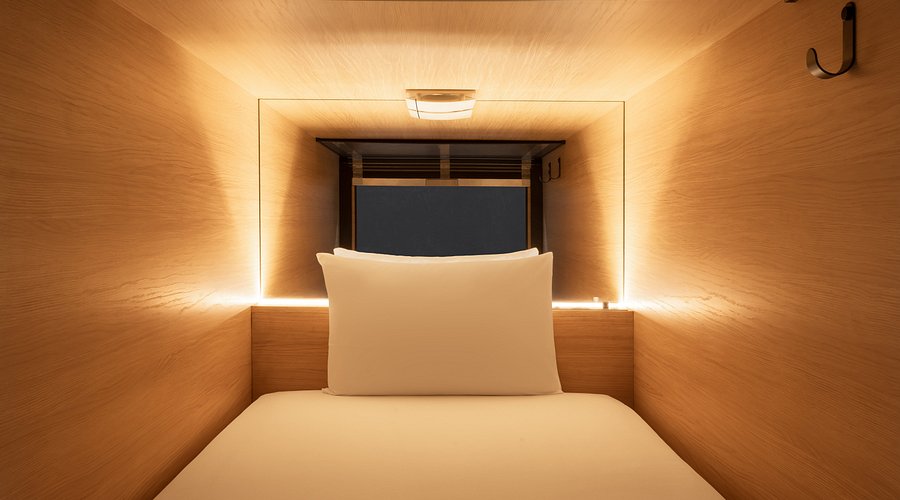
Zedwell Piccadilly
By Bashar Wali on 06.25.26
While sharing the stage at Mews Unfold in Amsterdam with Halima Aziz of Zedwell Hotels, I had walked in carrying my usual sword for lifestyle hotels: culture, programming, community, social gravity. But Halima brought a smaller knife.
Her argument: gateway cities do not need hotels to manufacture culture. The city already does the heavy lifting. In other words, London needs no lobby tarot night. Paris needs no branded local ritual. New York needs no DJ in a vest spinning vinyl beside a fern. (Civilization has suffered enough.)
I disagreed at first…until I thought about my own behavior. When I land in London, I do not ask the hotel for culture. I ask for a room with taste, a great bed, smart lighting, hard water pressure, fast Wi-Fi, a civilized arrival, and a team that reads silence as service. Then I leave. I go to restaurants. I meet friends at their social clubs. I follow locals to their rooms. I chase the city, not the lobby calendar. If Chiltern Firehouse has the pulse and the door and the dangerous little glow, I go, no matter where I sleep.
A great city already has programming. The streets. The restaurants. The galleries, markets, stoops, taxis, arguments, and bad espresso at 11 p.m. Your hotel does not need to compete with that beating heart. Your hotel needs to deserve a place inside it.
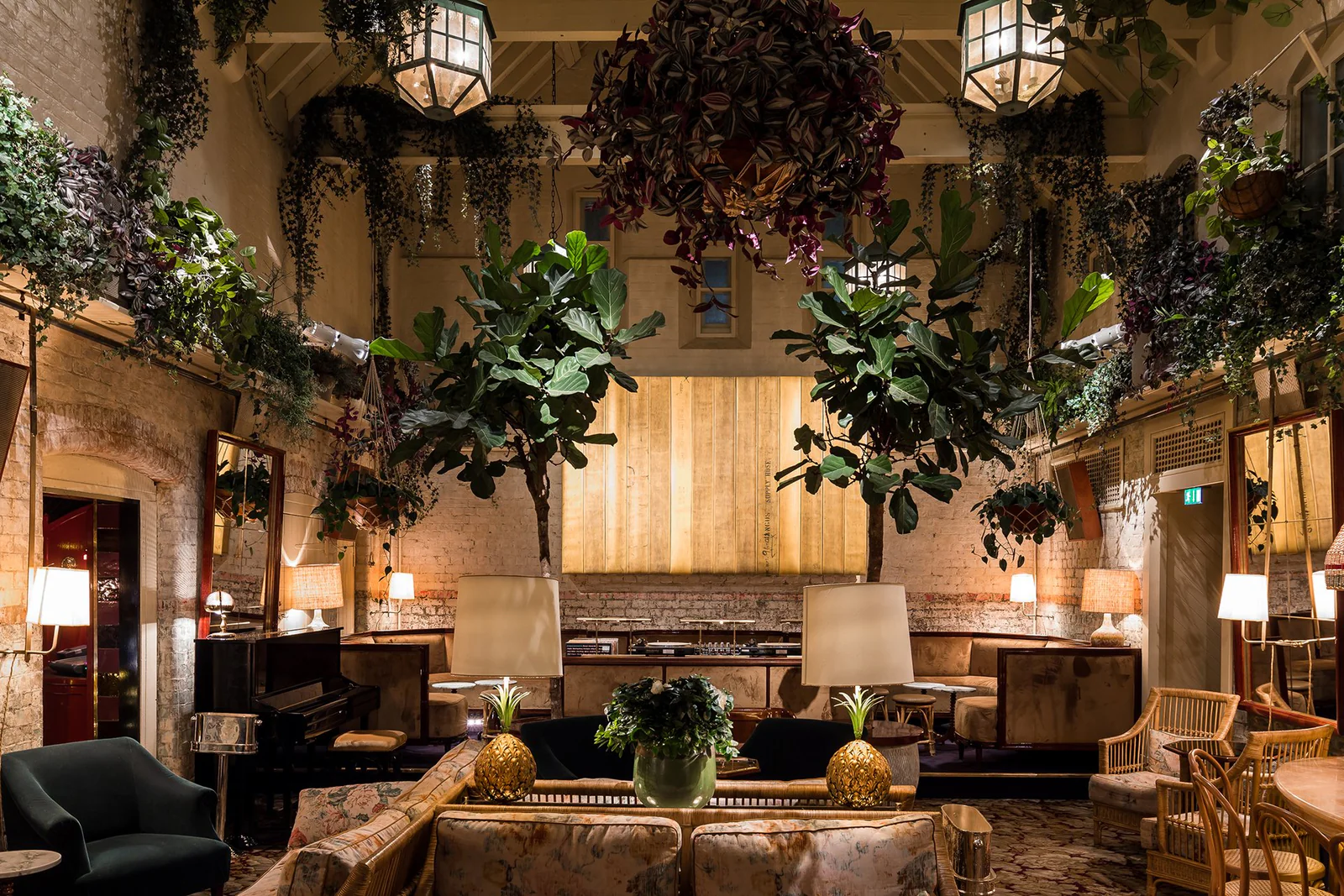
Chiltern Firehouse, London
Culture has enormous value when a hotel earns it
Somewhere along the way, lifestyle hotels confused personality with noise. We took a good idea and fed the machine until every hotel spoke the same fake dialect. Local art. Curated playlists. A vinyl corner. A wellness class. A community table where no adult ever sits, because every adult traveler arrives with email, jet lag, and mild social suspicion. We democratized culture until it turned into wallpaper.
The playbook is identical everywhere. A hotel opens and announces a full calendar: morning yoga, founder talks, ceramic workshops. Neighborhood walks led by someone who moved there six months ago. The hotel calls this culture. The guest calls an Uber.
Culture has enormous value when a hotel earns it. The trouble starts when culture becomes decoration. Guests can feel when the window dressing is a costume, a budget line, a content strategy with cushions. In London, Paris, Tokyo, Mexico City, where travelers already have real life options with real gravity, the fake is exposed fast. The hotel competes against institutions, insiders, and rooms with memory.
Halima’s point landed because Zedwell is an example of having discipline. Central location, with quiet rooms that are windowless by design with filtered oxygen, rainfall showers, and fast Wi-Fi. The sleep experience comes first. The brand knows their guest: an urban traveler who wants the city at full volume, then wants the room to hush. This is not anti-hospitality, this is precision hospitality.
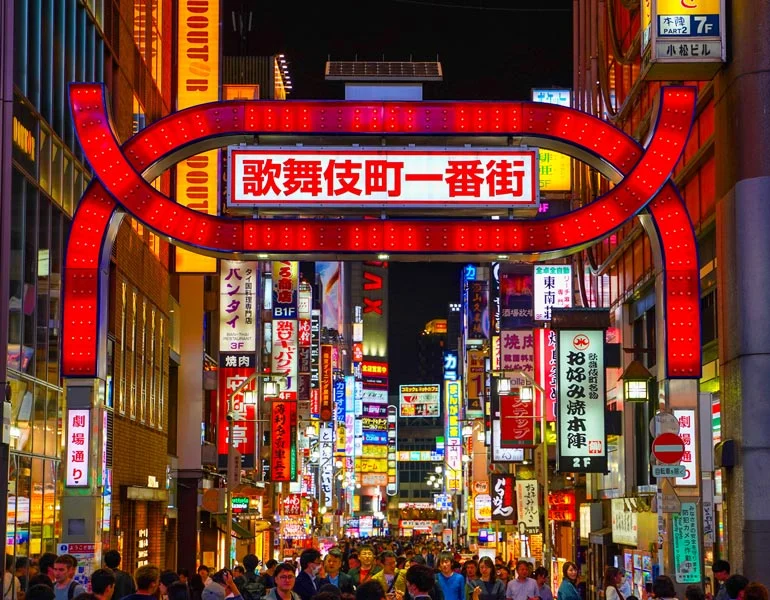
Go outside. Culture is calling
Ask yourself: Would this event exist if nobody needed the content?
So let’s make the distinction clean. Culture lives in taste, hiring, lighting, music, scent, pace, food, and restraint. Programming lives on a calendar.
Culture shapes the stay even when nothing happens. Programming needs attendance. Culture compounds. Programming expires Tuesday.
The industry loves programming because programming photographs well. Owners see a calendar and feel productive. Marketers see posts. Operators see headaches, and guests see nothing new. Ask yourself: Would this event exist if nobody needed the content? If the answer sounds nervous, cancel the event.
A primary-market hotel should stop asking how to create culture, and start asking a different question.
How do we connect guests to the city without kidnapping their time?
How do we become a trusted door instead of a louder room?
How do we guide without performing?
How do we edit?
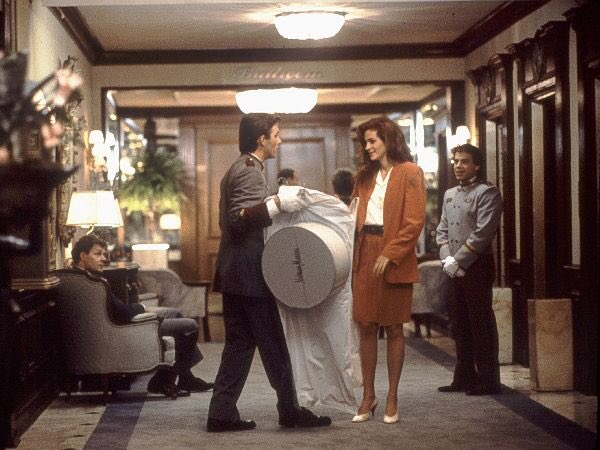
Invest in your team. The rest will follow
In a gateway city, the hotel should act like a brilliant host, and a brilliant host has taste.
Good taste beats programming. It picks the right restaurant, the right bartender, the right sound level, the right mattress, the right silence. Taste knows what to omit, but the industry struggles with omission, because omission looks cheap on a slide. More feels safer. More amenities. More partnerships. More activations. More “moments.” More proof we all attended the same conference and learned the same hospitality buzzwords.
But I think the guest has moved on. I think they want access, ease, privacy, taste, and truth. They do not need your hotel to become a small cultural government. This should matter for the industry. Programming costs money. Bad programming costs dignity. Every calendar entry pulls labor, space, and management energy. When the event fails, nobody blames the guest. They blame the hotel, as they should. The guest never asked for lobby performance art with lukewarm prosecco.
The fix? Spend the money where it shows. Pay better people. Train better hosts. Fix the lighting. Buy better towels and new hairdryers. Build a bar locals seek without a hotel guest as witness. Build a restaurant with its own reason to exist, trust the concierge you trained and give them real power. Make the rooms soundproof. You want your guests to have a stay so frictionless that they can spend their emotional energy on the city they love, or are about to.
One thing to keep in mind– the argument shifts by market. That is to say, in remote resorts, programming matters. The hotel becomes the town, the stage, and the social contract. In emerging destinations, it helps guests read the place, and in members clubs, it forms the spine. But in a primary urban market, programming should earn its oxygen. Most of it should die quietly. The city already wrote the script.
I still believe lifestyle hotels need soul, and that a hotel should make people feel something. I still believe the right restaurant, bar, and staff cadence turn a property into social infrastructure. I no longer believe every hotel needs programming as proof of life. Sometimes the most generous thing a hotel offers is restraint.

– follow Bashar –
Bashar Wali is a hotel lifer in the truest sense — part hotel guy, part culture guy, and definitely the never-the-same-hotel-twice guy. He’s stayed in thousands of hotels around the world (251 in Manhattan alone), not for points or content, but for the thrill of figuring out what makes hospitality actually feel good.
He’s built, opened, and rescued hotels of every kind, from the kitchen to the boardroom, and earned a reputation as one of the industry’s most candid voices — the one reminding everyone that hospitality isn’t about design or tech. It’s about people.
This is Bashar’s new monthly column for A Hotel Life.
Have you signed up for our free weekly newsletter yet? Never spammy, always bringing you the best and coolest hotels in the world and global lifestyle culture, all through the eyes of industry insiders and local tastemakers. Sign up here!
Share this Story
Share this Story
More Future Forward
AI Can Book the Trip. It Can’t Take It For You
Hospitality just became the safest job in tech's path, and not by accident
tell me more ›
Who’s Answering After Midnight
Guests want human attention. So where did all the people go?
tell me more ›
Where the Artists Go: Under the Radar Spots in Six Storied Creative Colonies
Our favorite stays in bohemian enclaves from coast to coast
tell me more ›